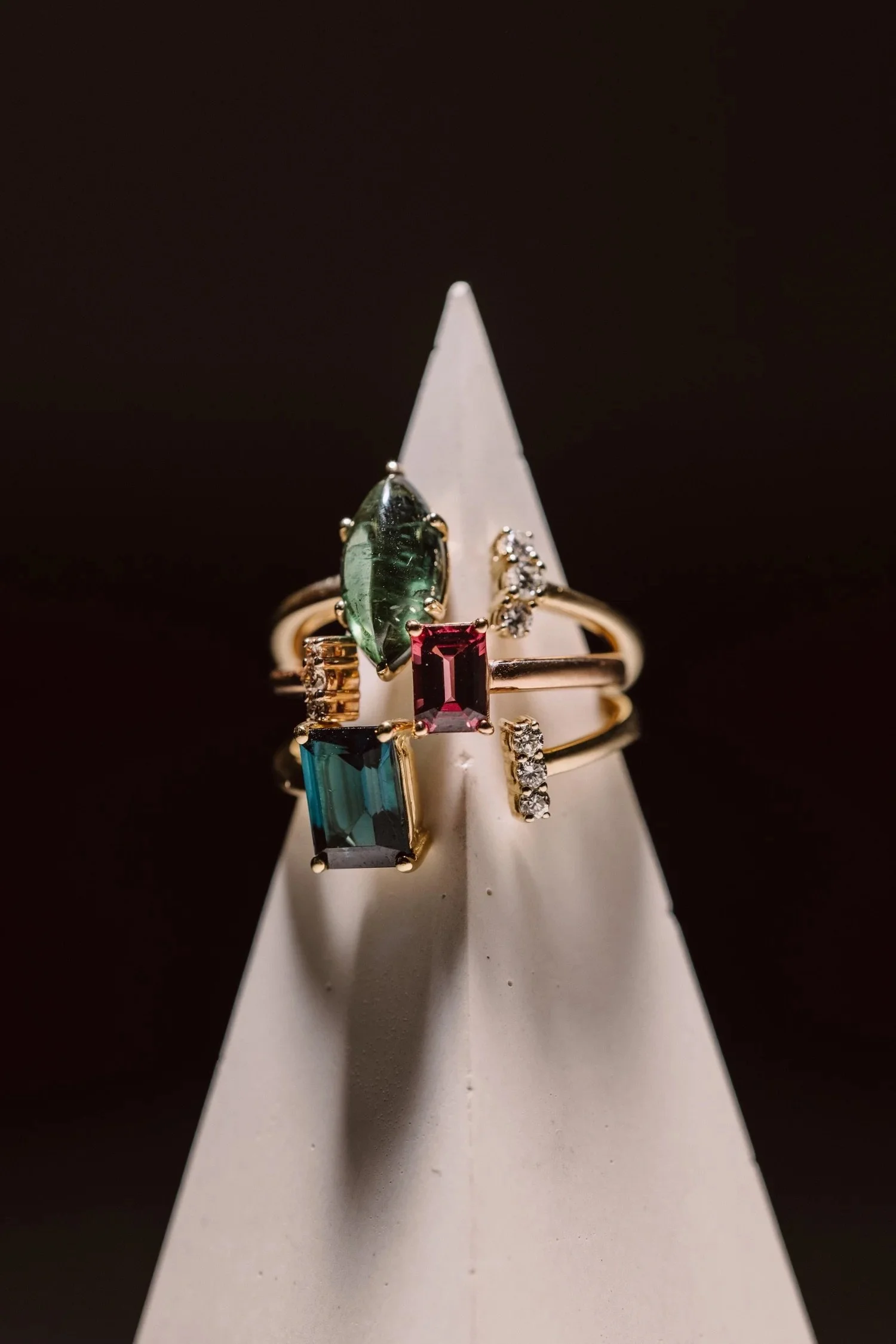
A deep blue, a soft green or a flash of warm pink: sometimes a colour is all it takes to begin your design. We’ll help you explore the stones that draw you in, then create a setting that lets you enjoy their beauty in everyday life.
Beautiful, and made to be worn
Gemstones vary greatly in their durability. Some are well suited to everyday wear, while others need a little more care. Alongside colour and shape, we consider how a stone will fit into your day-to-day life and how its setting can help protect it.
The Mohs scale measures how resistant a stone is to scratching, from 1 to 10. A higher number is helpful, but hardness is only part of durability: how a stone handles a knock matters too. We’ll explain what that means for the stone you love, without turning the choice into a science lesson.
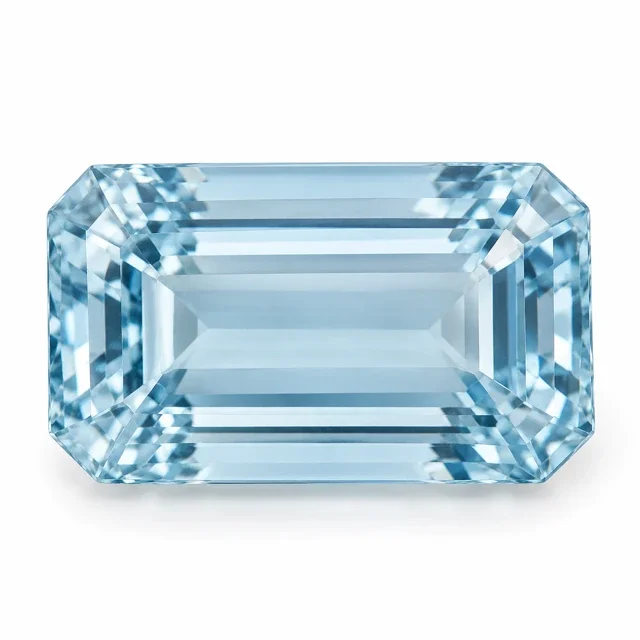
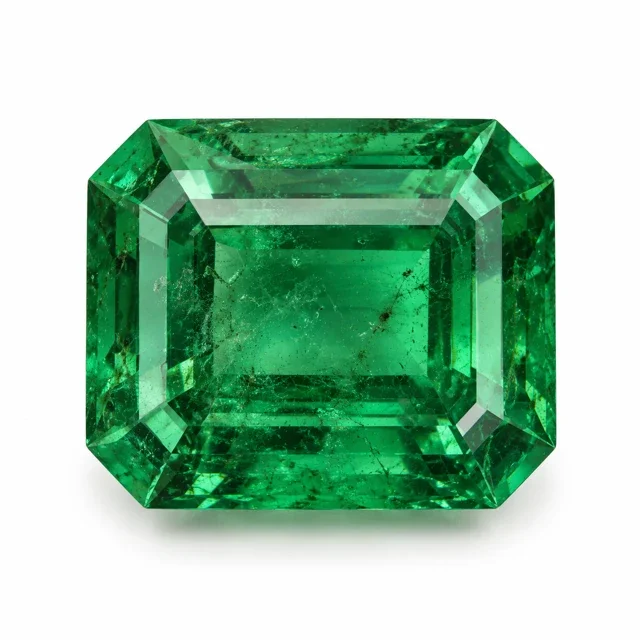
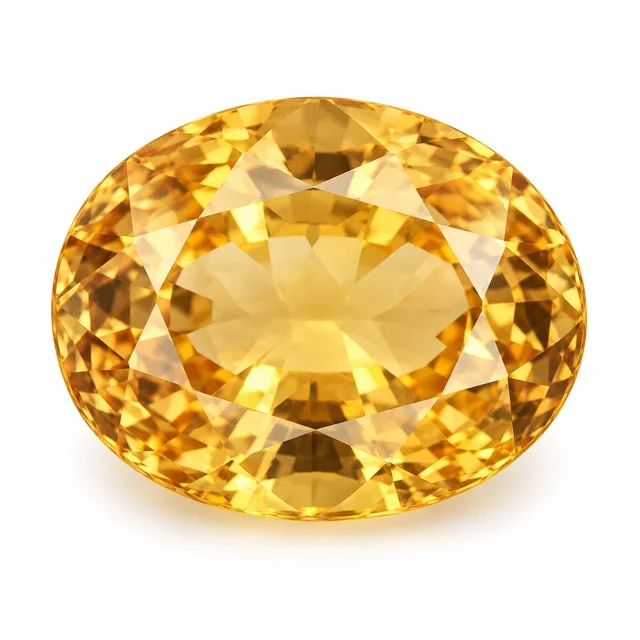
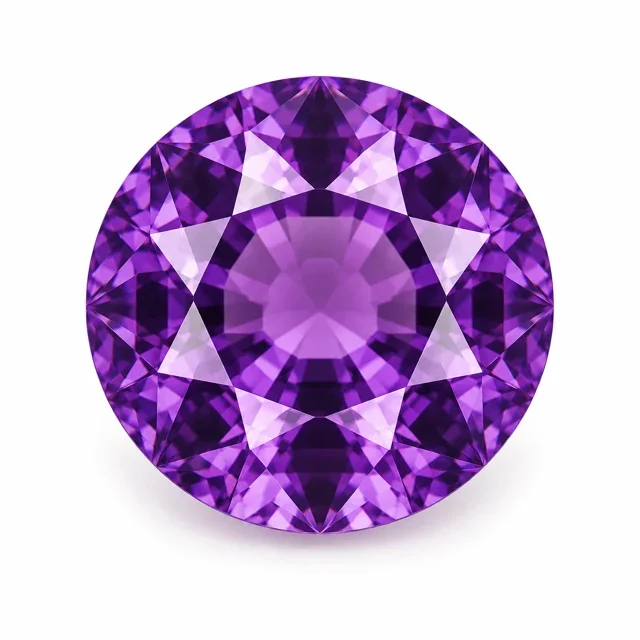
The galleries below are illustrations of the possibilities, rather than stones currently in stock or a guide to actual size.
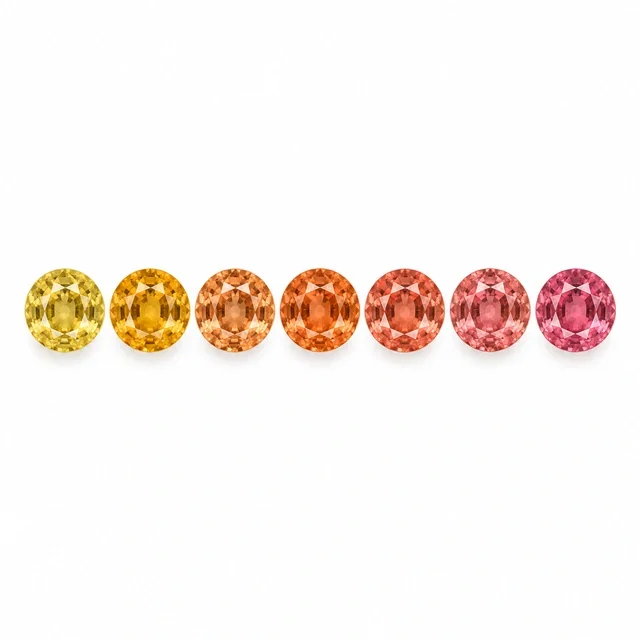
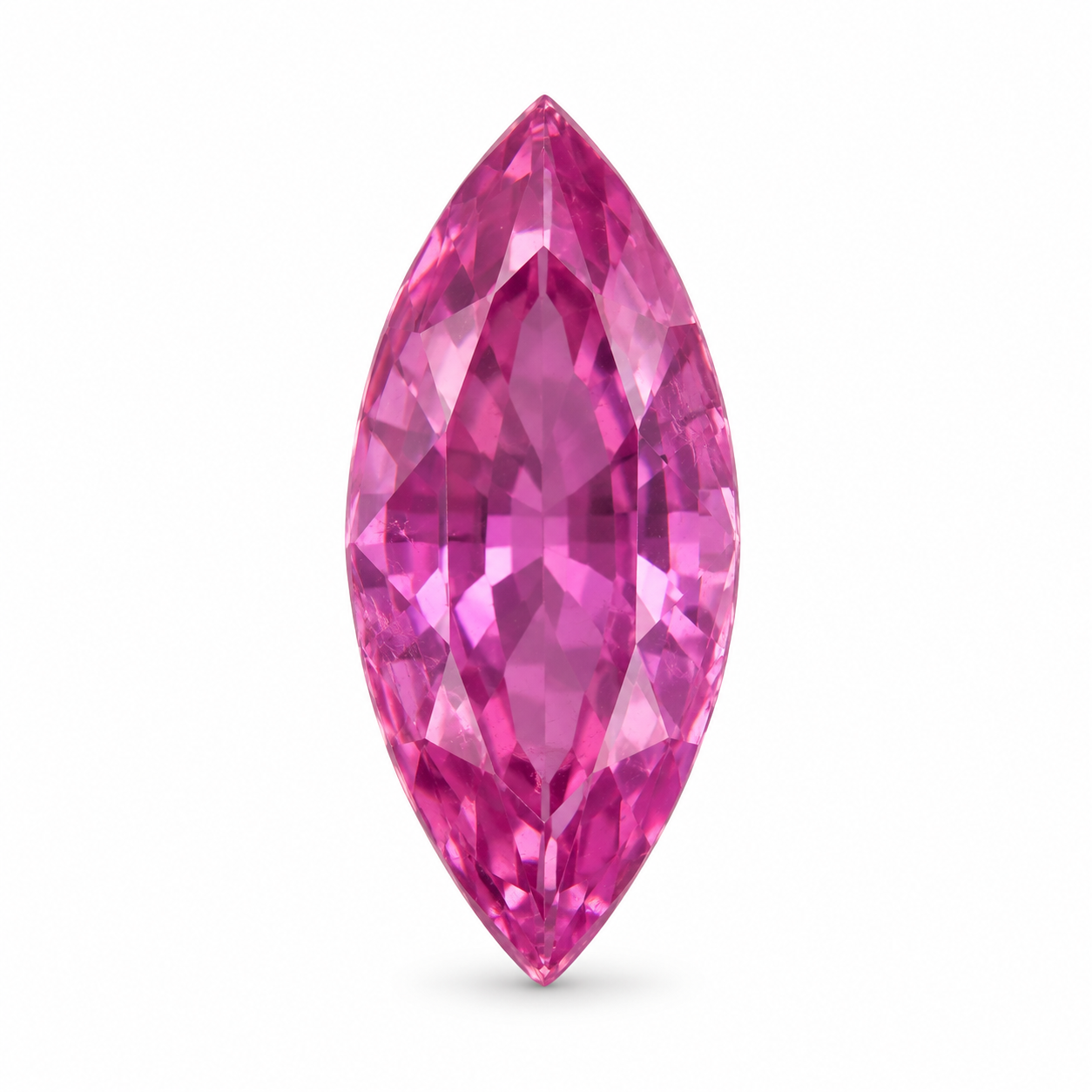
Sapphires, in so many colours
We love sapphires for everyday rings. At Mohs 9, they combine excellent durability with a wonderful range of colours, from blue and teal to yellow, pink and purple. Alongside diamonds, they are among our favourite choices for a ring you’ll wear often.
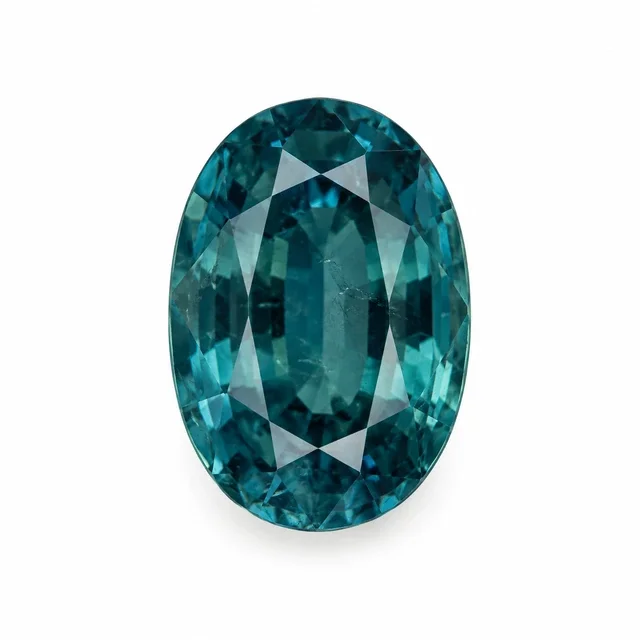
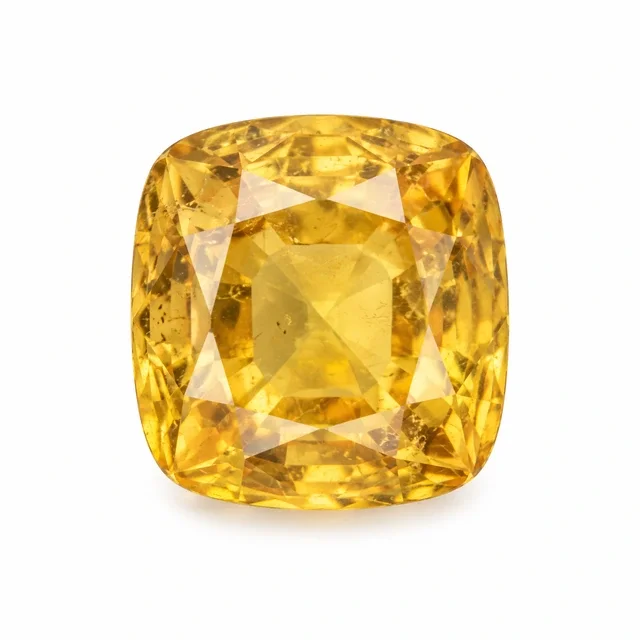
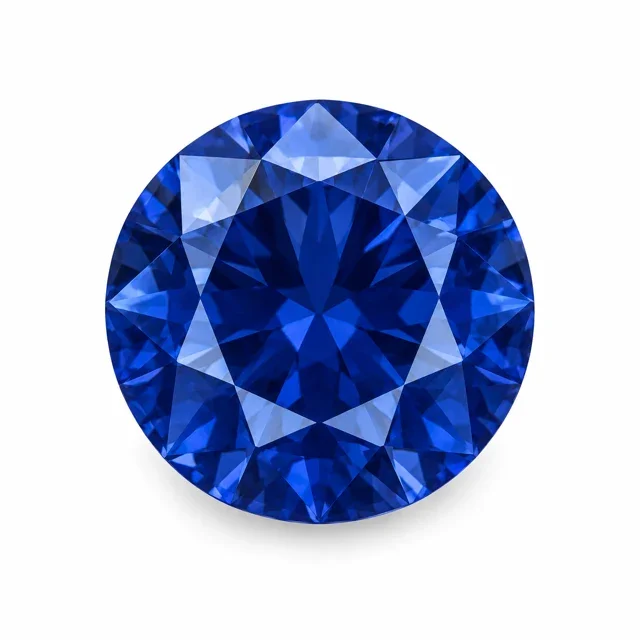
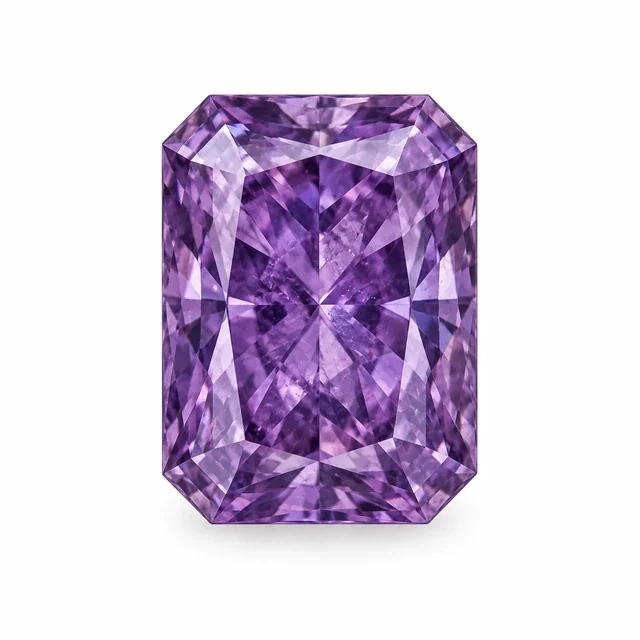
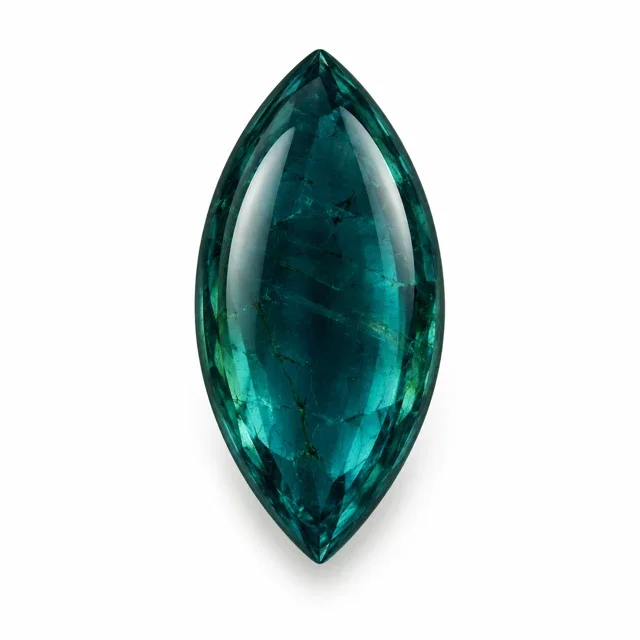
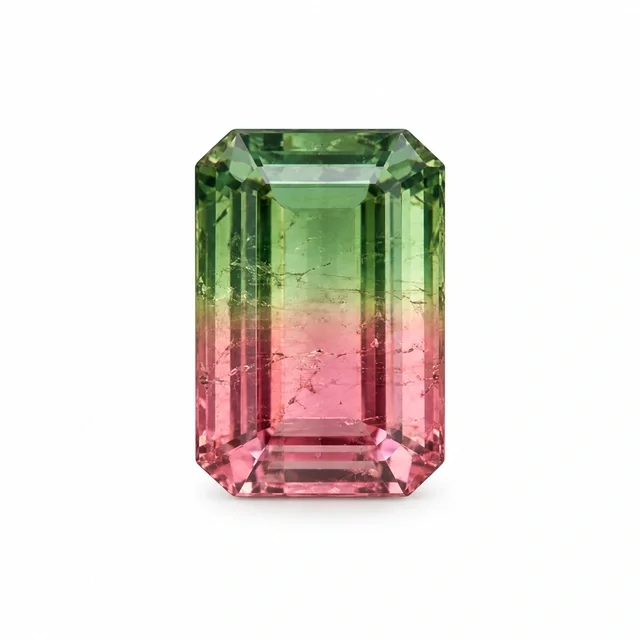
The many moods of tourmaline
Tourmalines can be deep green, petrol blue-green, warm pink or even two colours within one stone. At Mohs 7–7.5, they need a little more consideration than sapphire. We’ll show you how a thoughtful setting can make the most of their individual character.
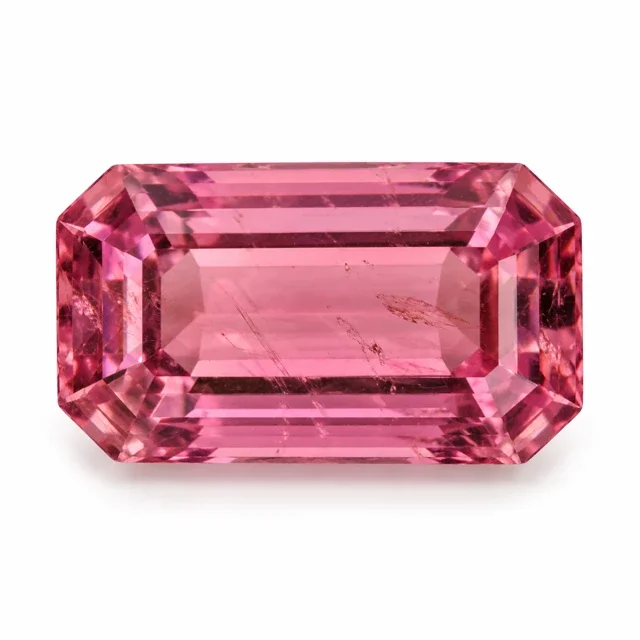
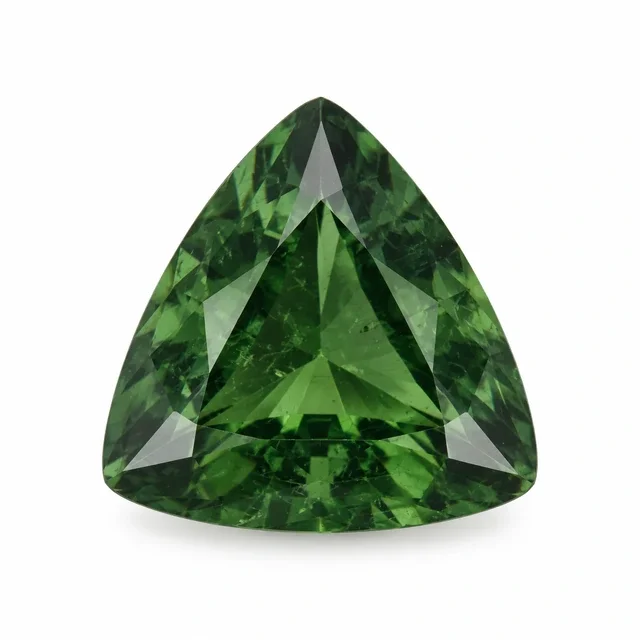
A wider palette to fall for
From the sea-blue of aquamarine to emerald green and ruby red, there is so much to explore. Ruby shares sapphire’s Mohs 9 hardness; emerald and aquamarine are 7.5–8, while amethyst and citrine are 7. Tanzanite is around 6–7 and calls for gentler wear. We’ll help you balance the colour you love with how you want to wear your ring.
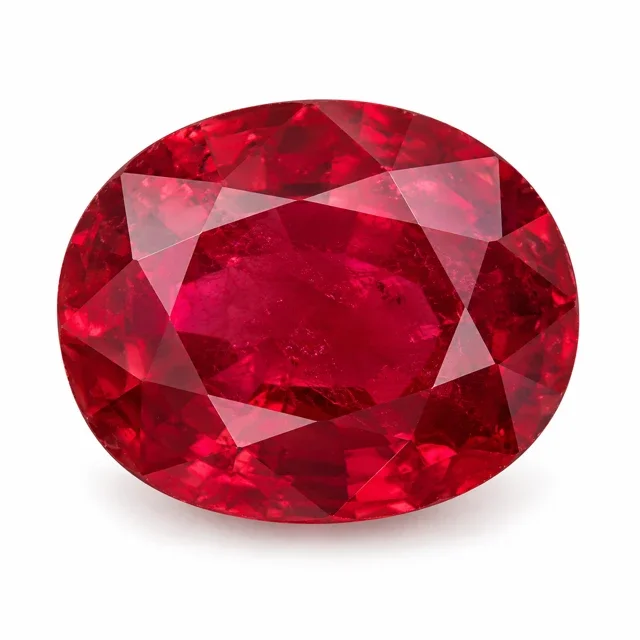
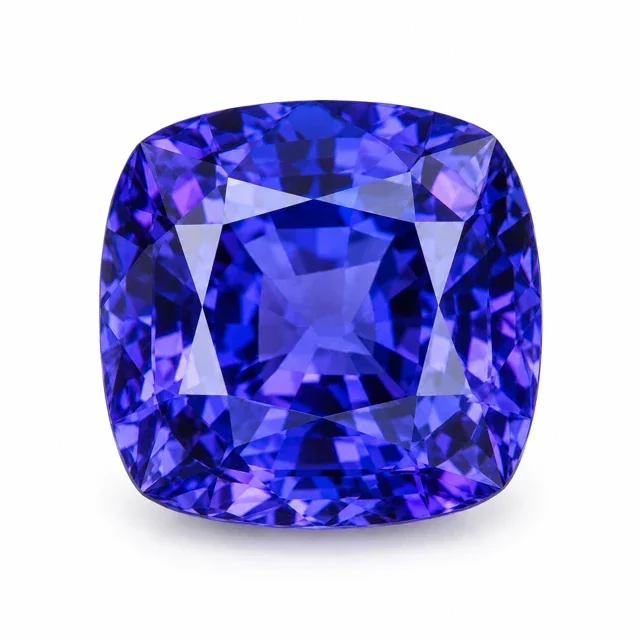
Something a little unexpected
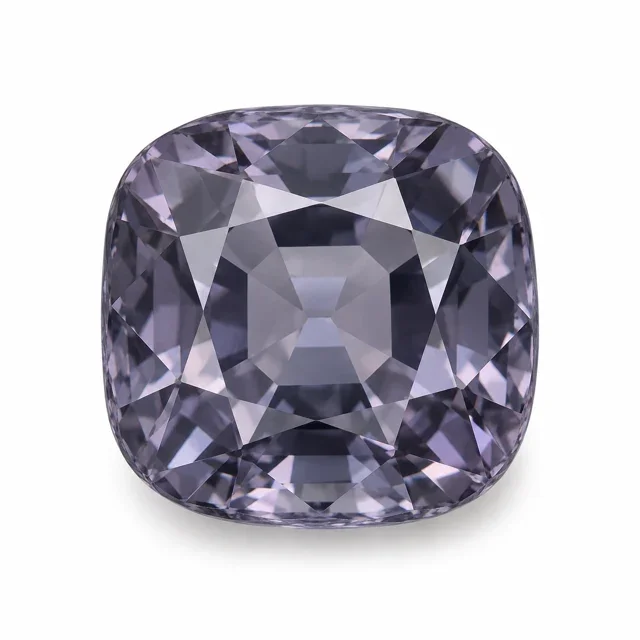
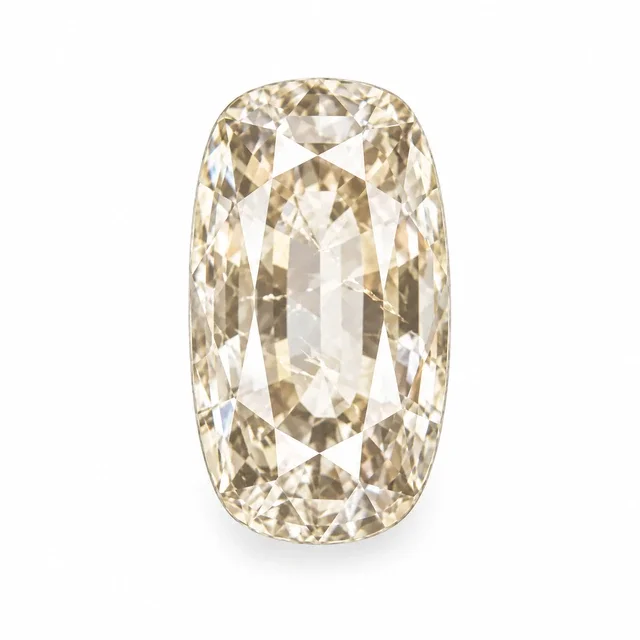
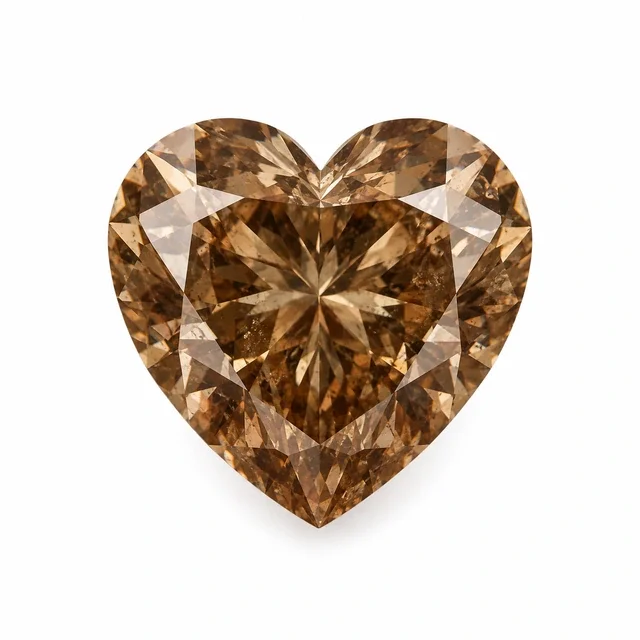
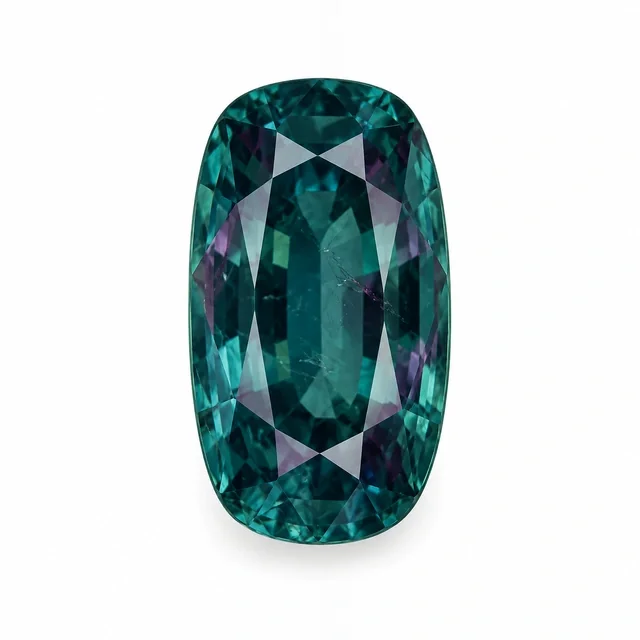
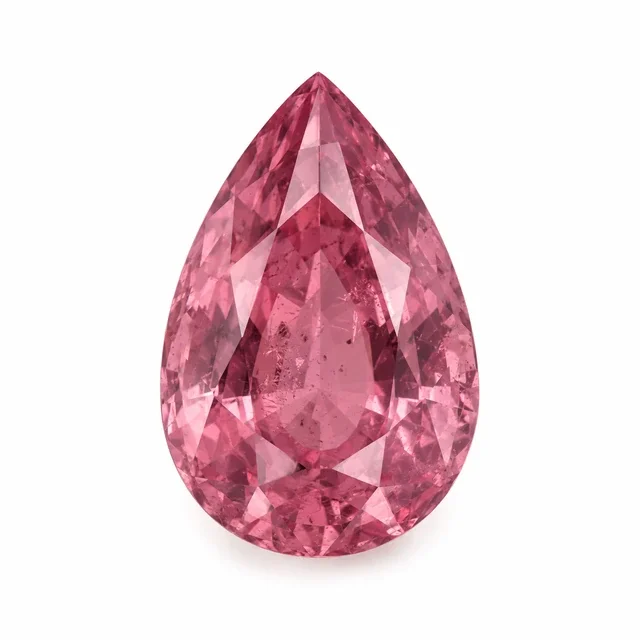
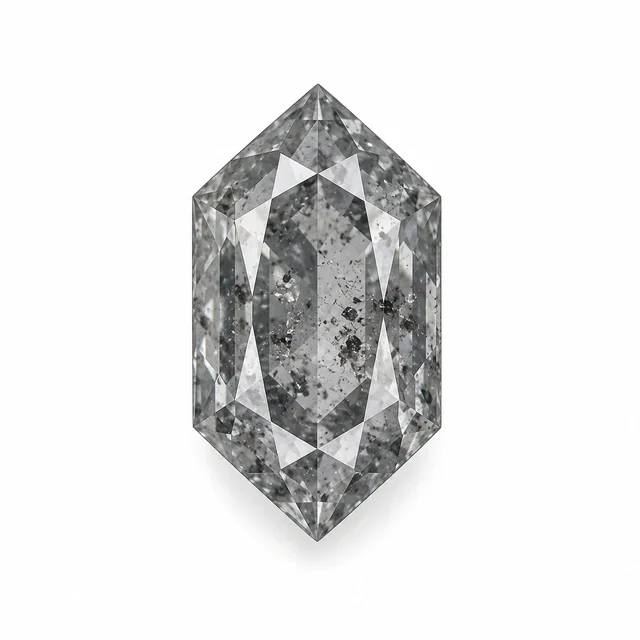
A colour-changing alexandrite, a pink spinel or a diamond with a little champagne warmth can give a ring a character all its own. Salt-and-pepper diamonds bring their own striking patterns; we look closely at each stone’s condition as well as its colour.
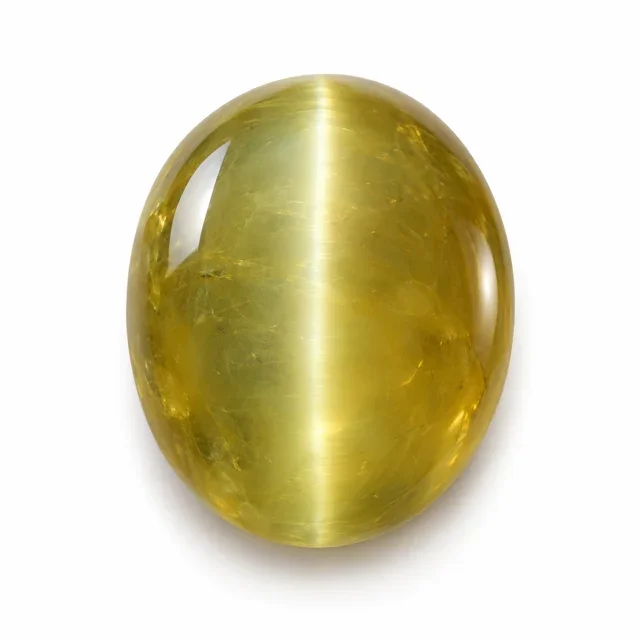
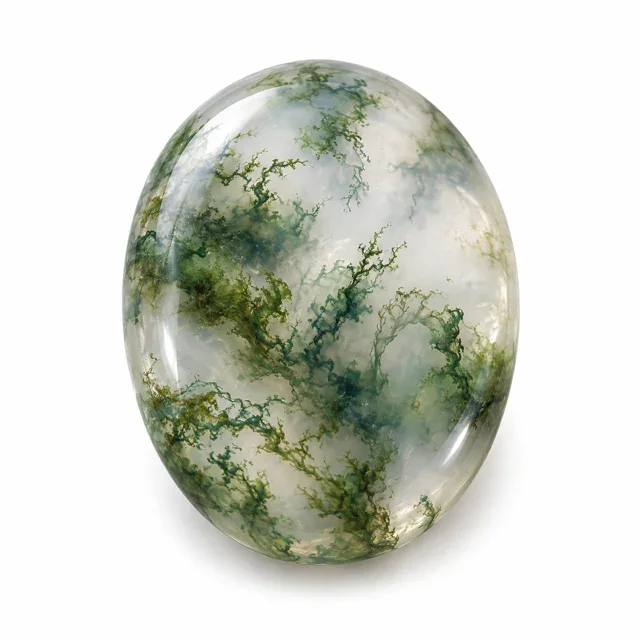
Moss agate holds delicate, moss-like mineral patterns; grey spinel has a quieter, smoky beauty. Cat’s-eye chrysoberyl brings something different again: a luminous line that seems to move across its surface. We’ll help you choose a setting and care routine that suit the individual stone.
A setting that suits the stone
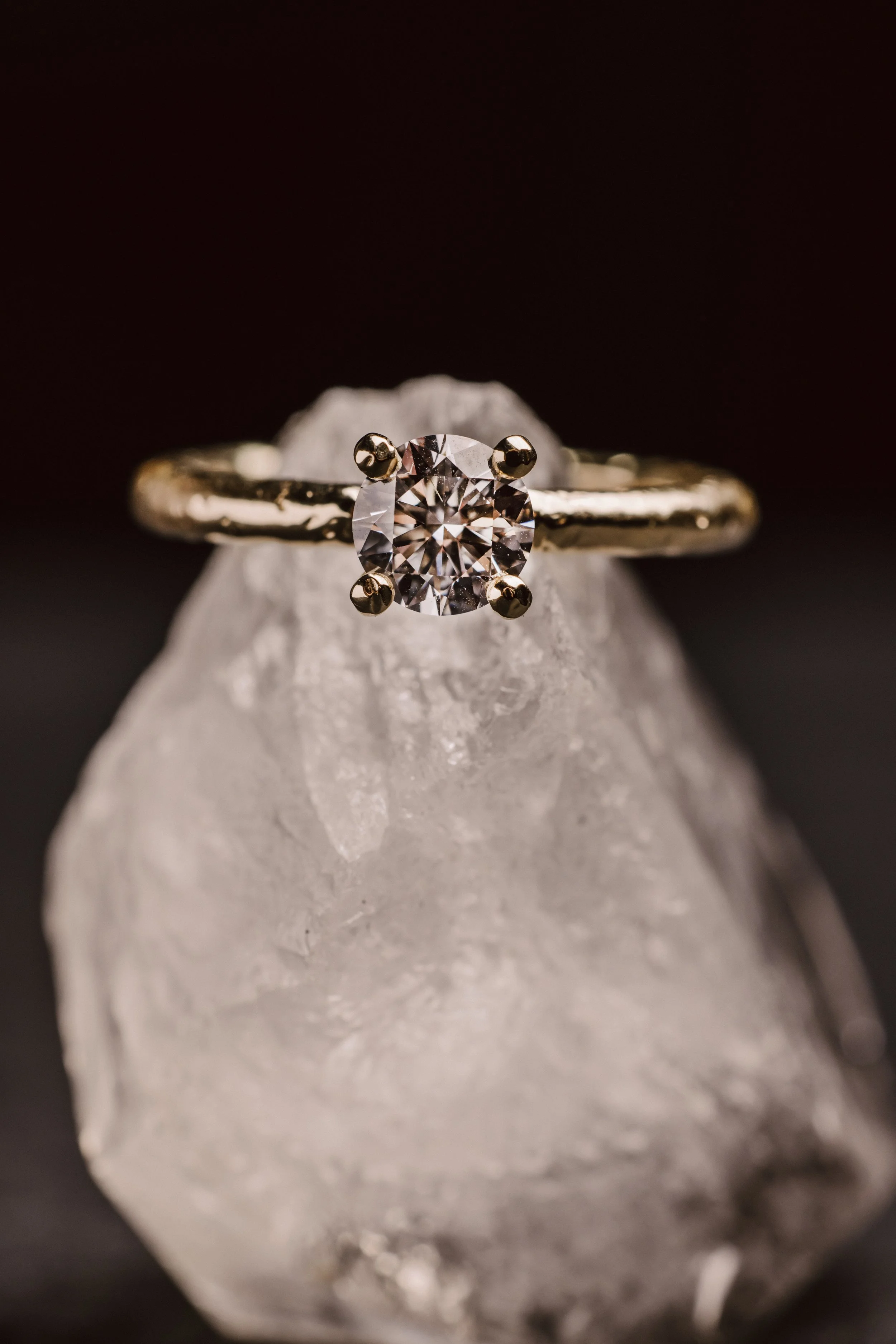
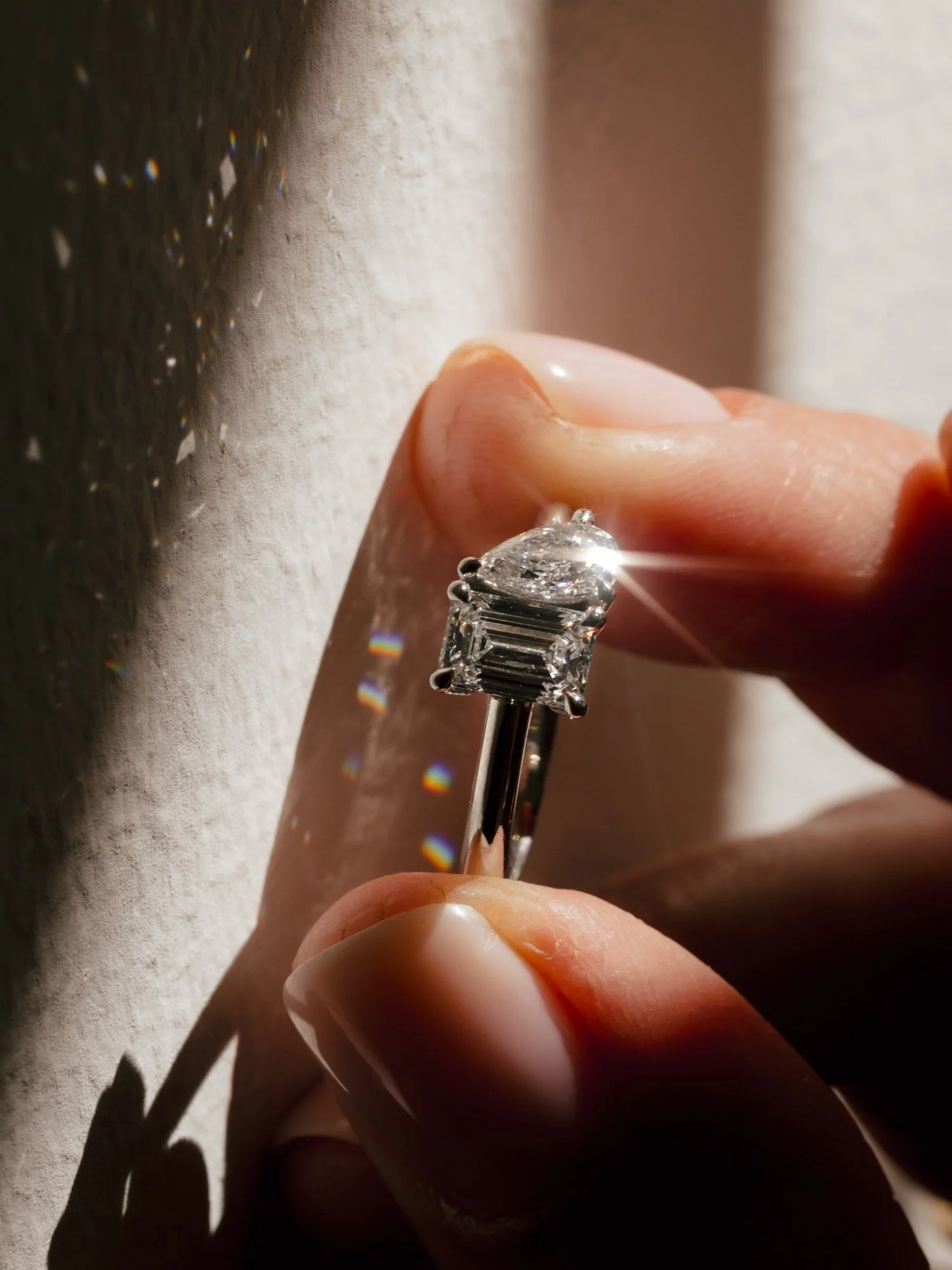
A bezel setting wraps a rim of metal around the stone’s edge. It can offer extra protection and give the ring a smooth, flowing outline. A prong setting holds the stone with small metal claws, leaving more of its edges visible.
Both can be beautiful. The best choice depends on the individual stone, its shape and how you use your hands. We’ll happily show you examples of each and suggest a setting that looks lovely and works well for you.
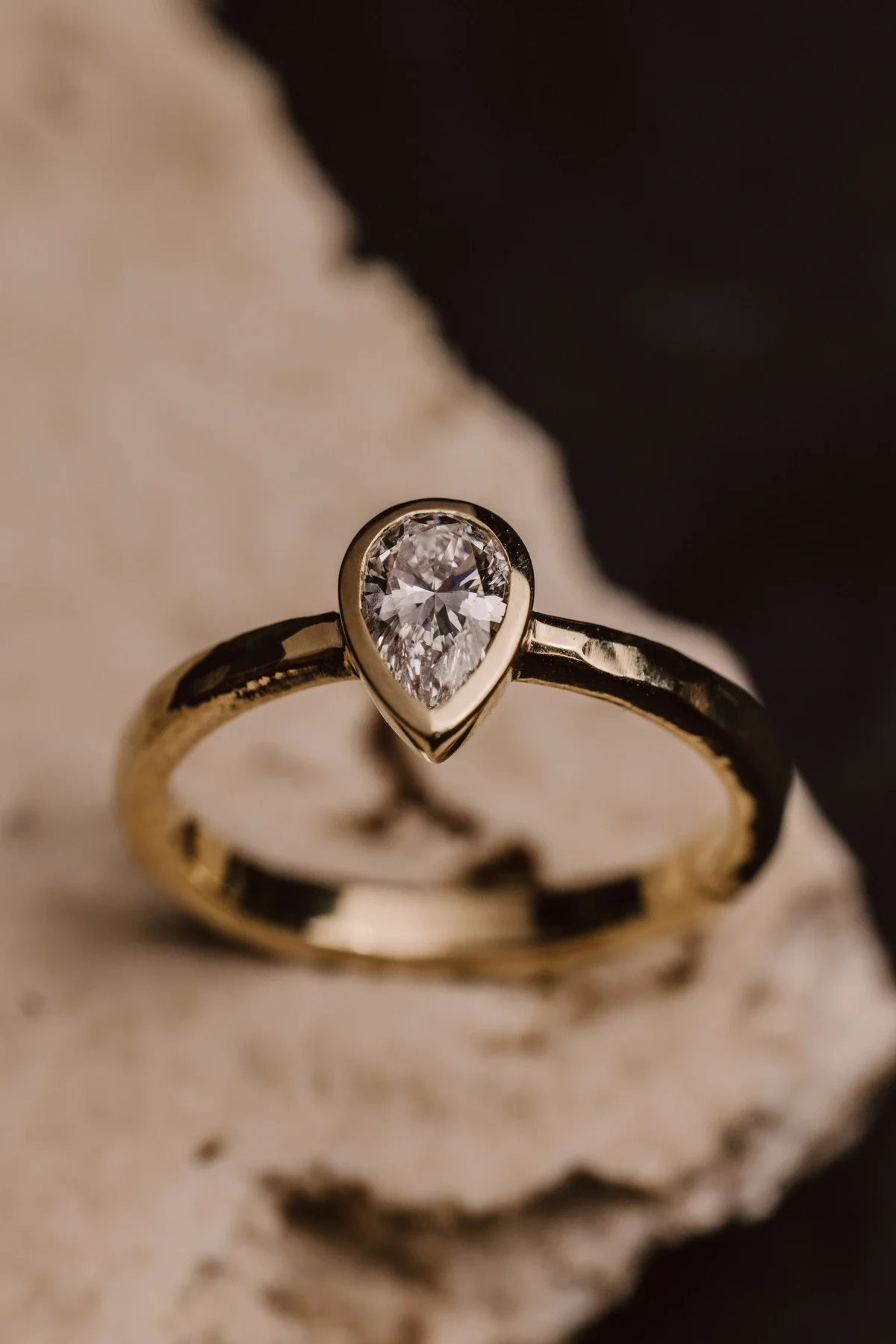
Bezel setting: a smooth gold rim frames the pear-shaped diamond.
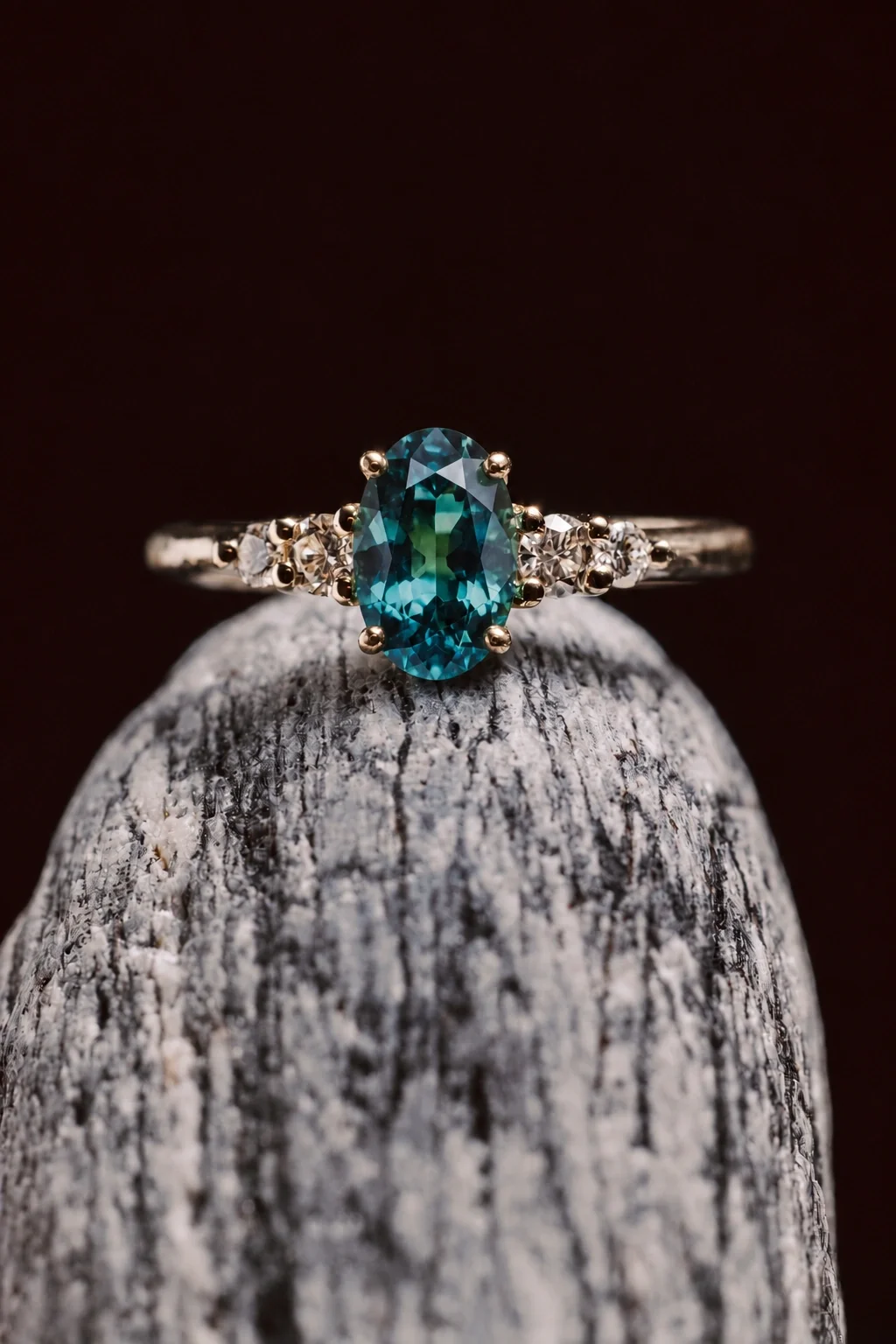
Prong setting: small gold claws hold the sapphire with its edges open.
Let’s find your stone
If you have a stone you’d like to use, bring it along. We’ll look at it together and suggest ways to set it, with both its beauty and its suitability for a ring in mind.
If you’re still exploring, tell us the colours and shapes you enjoy. Where possible, we can arrange a selection for you to compare in the atelier, particularly with sapphires and other more readily available stones. Unusual gems can take a little more searching; we’ll let you know what we can find.
Once you’ve chosen, we’ll explain the simple care your stone needs. A little attention helps keep its colour, sparkle and setting looking their best.

Begin with a colour
Bring a stone you already treasure, or tell us the colours and shapes you’d love to explore. We’re here to help you turn them into a ring.