An engagement ring holds the promise of a beautiful life together. It captures the excitement of that moment in something that will become part of everyday life. Whether you choose it as a surprise or discover it together with your partner, it should feel personal to them—and reflect the story you share.
Your ring might be one of our collection designs, available in our online shop, or a custom ring we create together from the ground up. This guide can help you discover what matters to you—and whether an existing design already brings it together, or a custom ring feels like the right direction.
Begin with the person who will wear it
When you’re choosing for your partner, their ring size, a sense of their style and the jewellery they already wear (or don’t wear) are good starting points. Together, these help us guide the proportions, stone and setting towards a ring that feels like theirs. We’re here to help you bring those clues together.
If an engagement is on the horizon and you’re both open to talking about it, sharing the ring styles you love can give your partner a welcome hint. A favourite shape, colour or saved image can offer direction while still leaving room for a surprise.
The jewellery they already wear is often the clearest indication of what they enjoy. Notice its colour and scale: fine, delicate pieces or broader, more expressive designs; lots of sparkle or something quietly understated. If they rarely wear jewellery at all, that is useful to know too.
Think about the clothes they wear, their general style and how they use their hands each day. A ring should feel at home in that life. Their preferences about materials matter as well: recycled gold or a laboratory-grown diamond may be an important part of what makes the piece right for them.
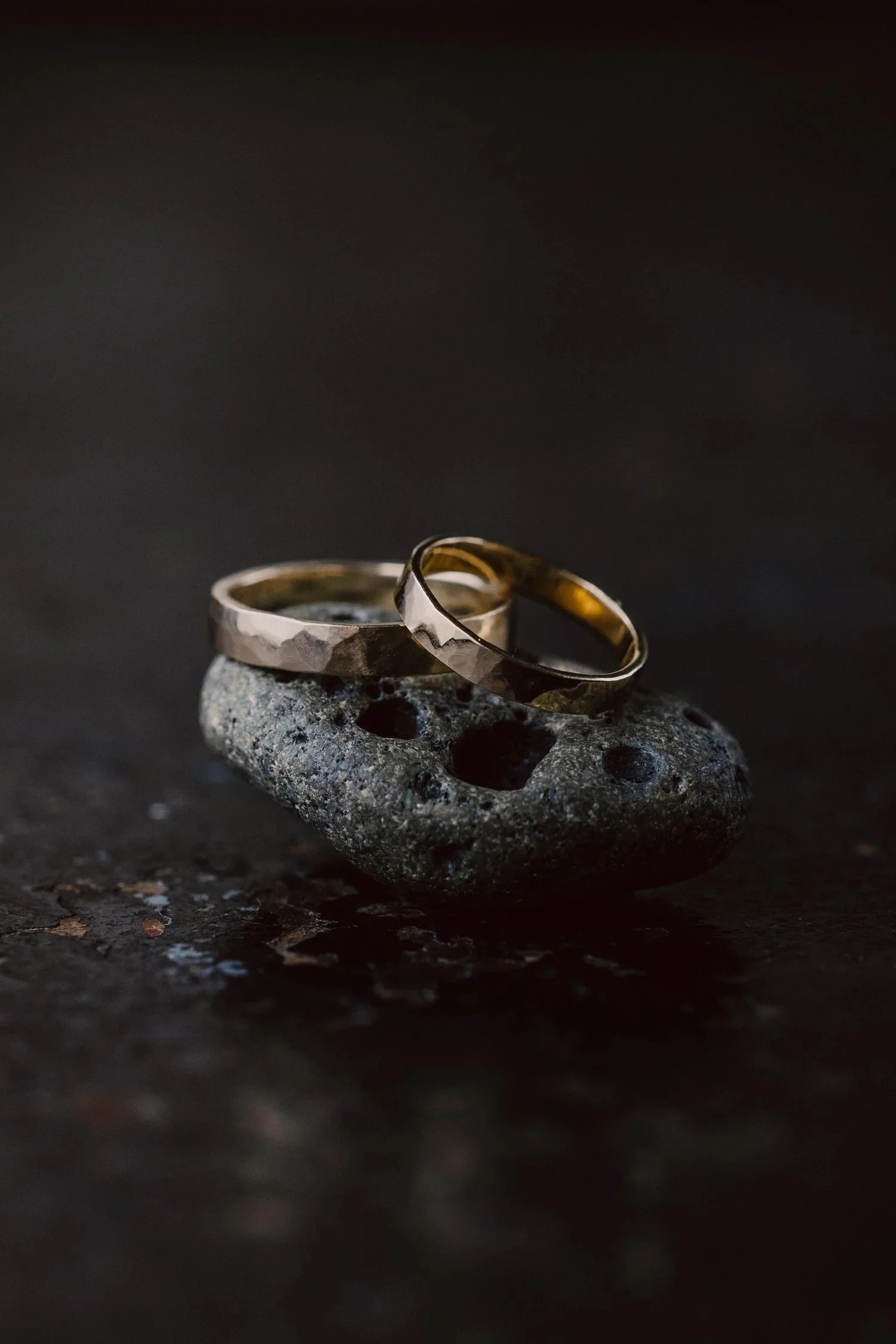
Perhaps they’ve mentioned a ring, saved an image or admired a particular design. They might imagine a classic solitaire, or prefer a lower setting and a softly hammered band. If the subject has never come up, tell us what you do know about them and we can explore a direction together. You can also leave the final choice until after the proposal. Some couples propose with a stand-in ring, a loose stone or another meaningful object, then choose the engagement ring together.
Find the right size and proportions
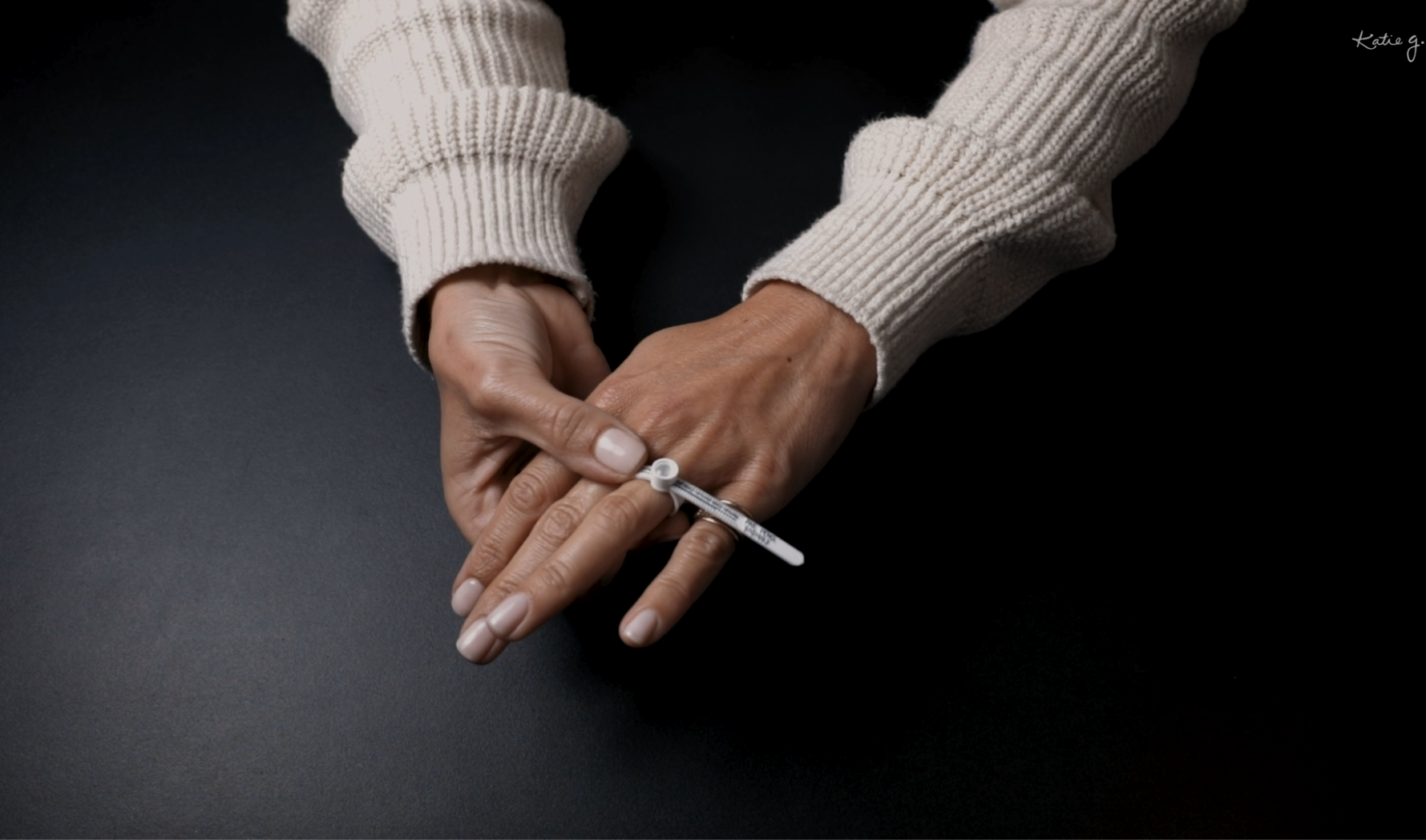
Knowing the ring size helps us judge how a band and stone will sit on the hand, whether you’re choosing a collection design or planning a custom ring. If you’re planning a proposal and don’t know your partner’s size, we can estimate it from a ring they already wear. It should fit the same finger on the same hand as the engagement ring. Our ring-size guide explains the options. If you have no ring to borrow, speak to us and we’ll help you work out a starting point.
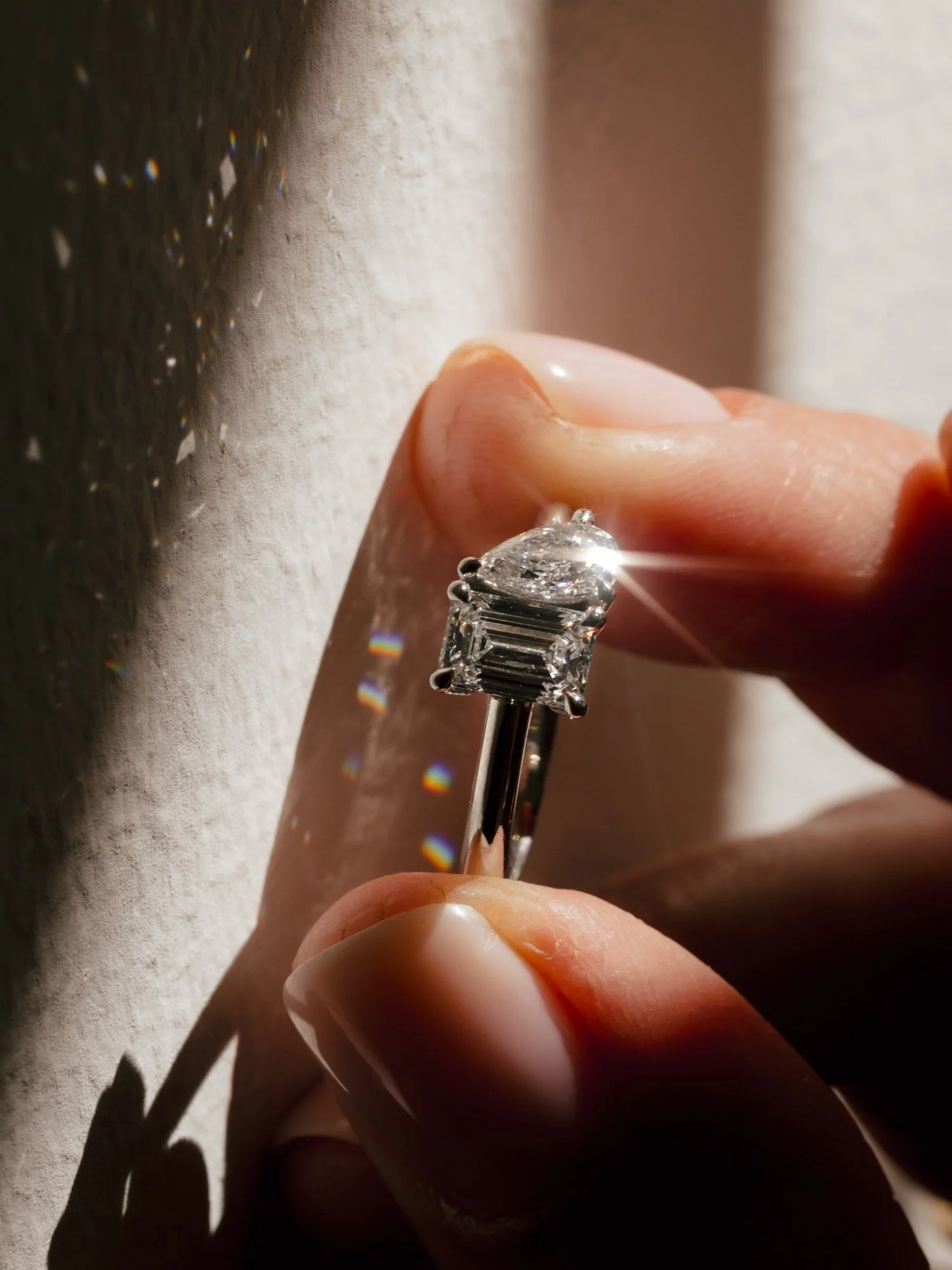
With the ring size and the wearer’s preferences in mind, we can compare shapes and proportions. A round stone, an elongated oval and a rectangular emerald cut each bring a different presence. The width of the band and the style of the setting are part of that balance, too. An engagement ring can also be a sculptural piece without a stone.
If you’re still deciding on stone shape or size, a photograph of the wearer’s hand can help us suggest proportions that flatter it. It’s entirely optional, but can be a useful detail to share.
Bigger is not always better. A wider stone will often need a deeper setting, adding height above the finger. We consider how the whole ring feels on the hand, how easily it moves past clothing and how it fits into the wearer’s everyday life. The aim is to find the stone and proportions that are right for the person wearing them.
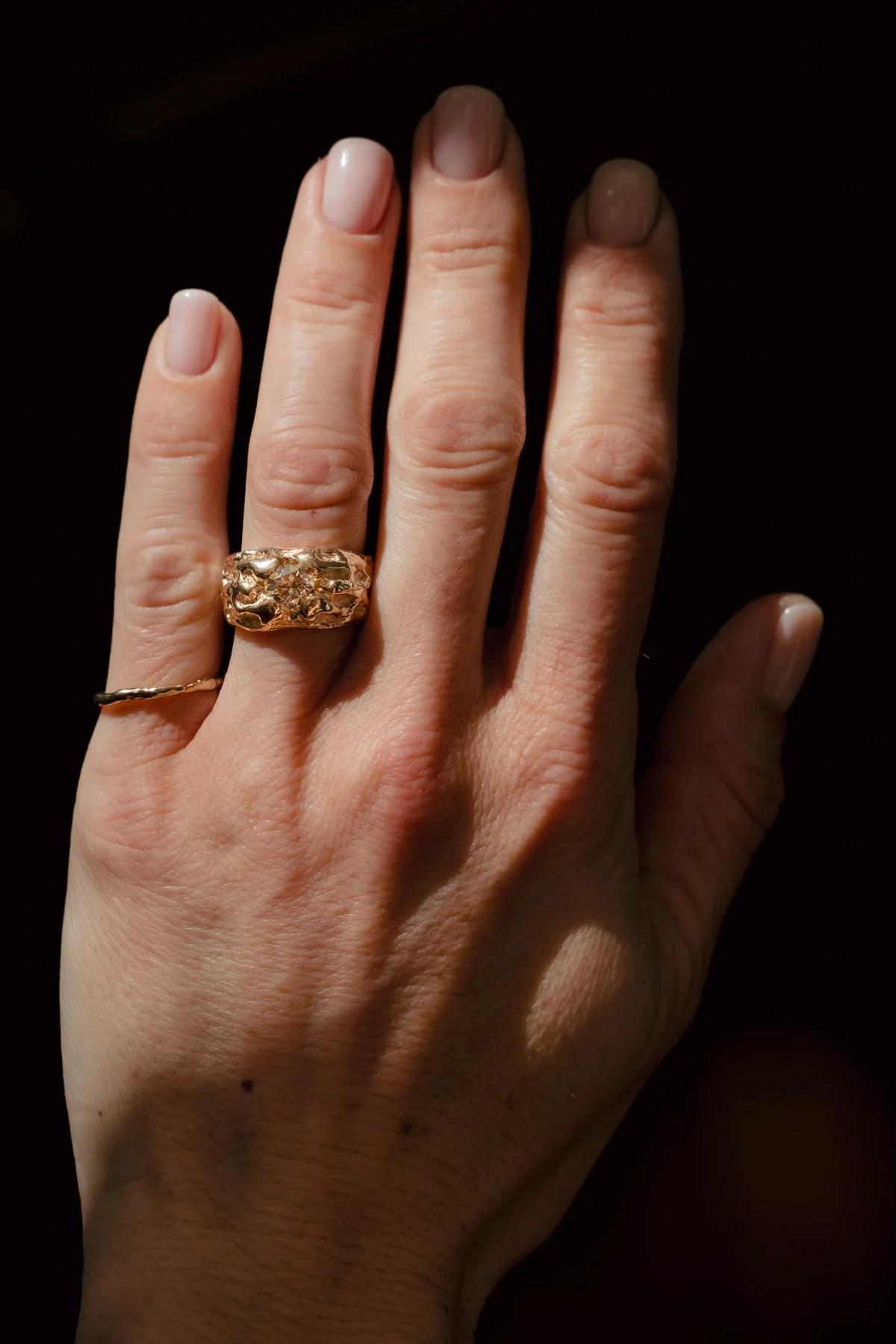
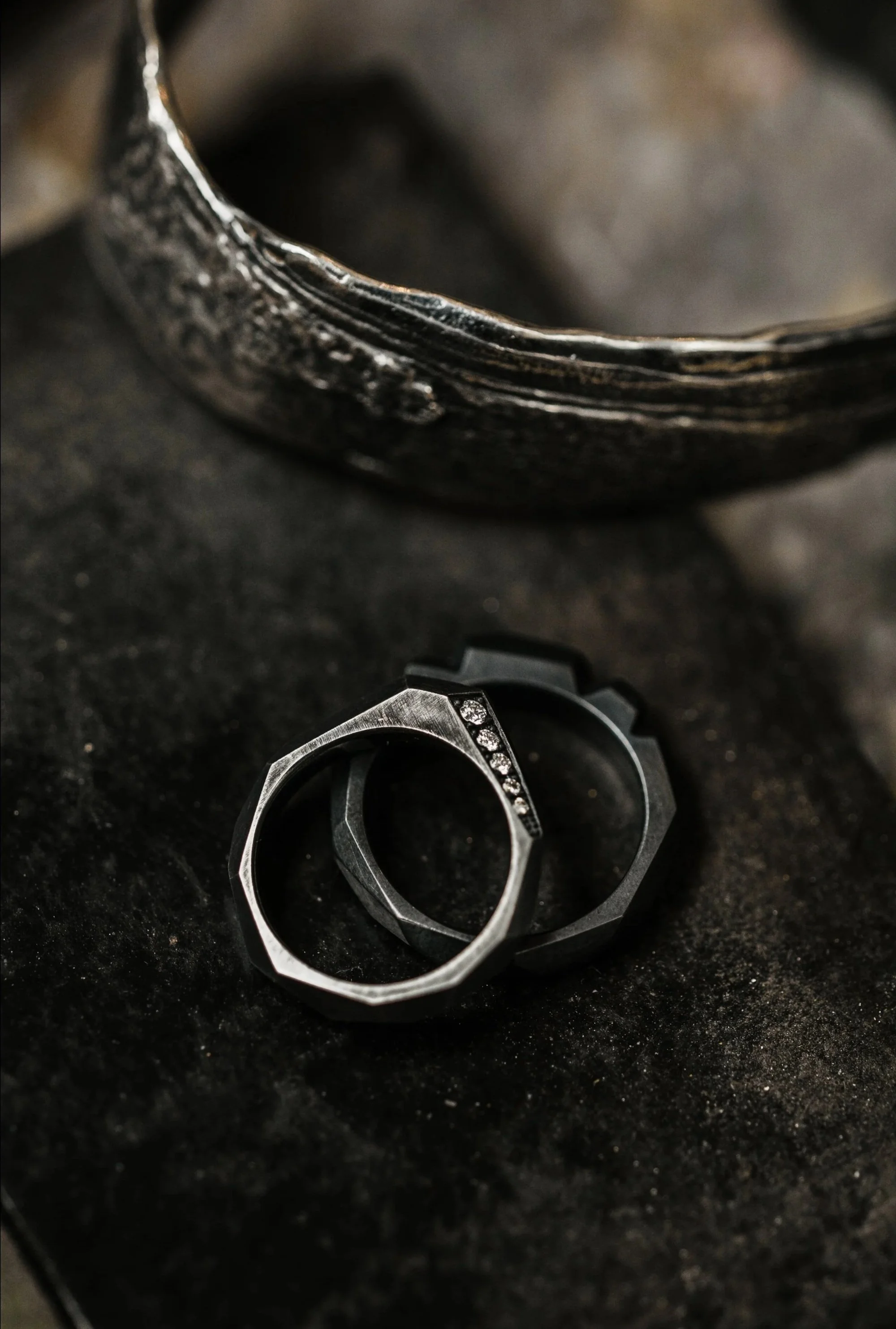
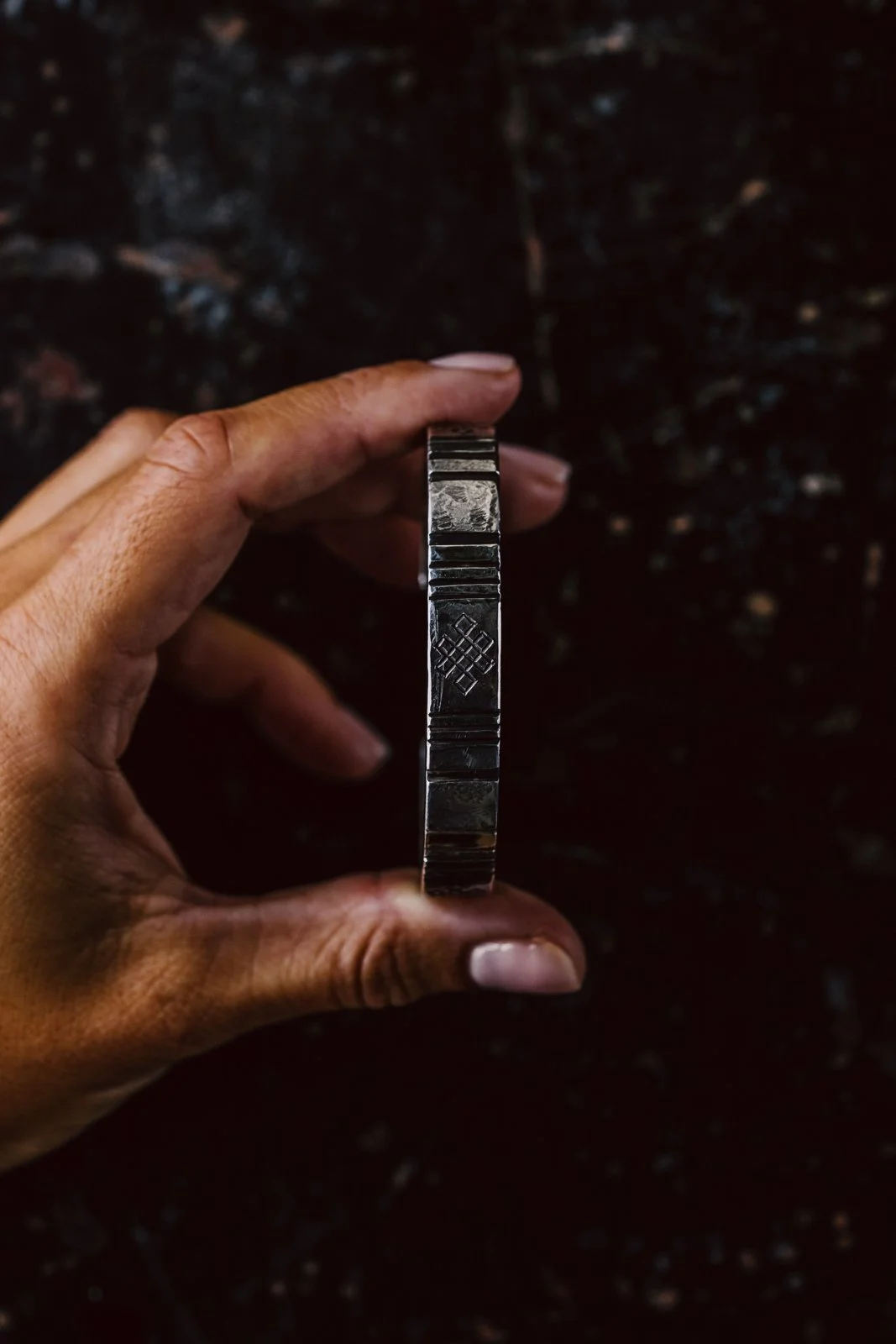
A more sculptural ring offers a different shape and presence on the hand.
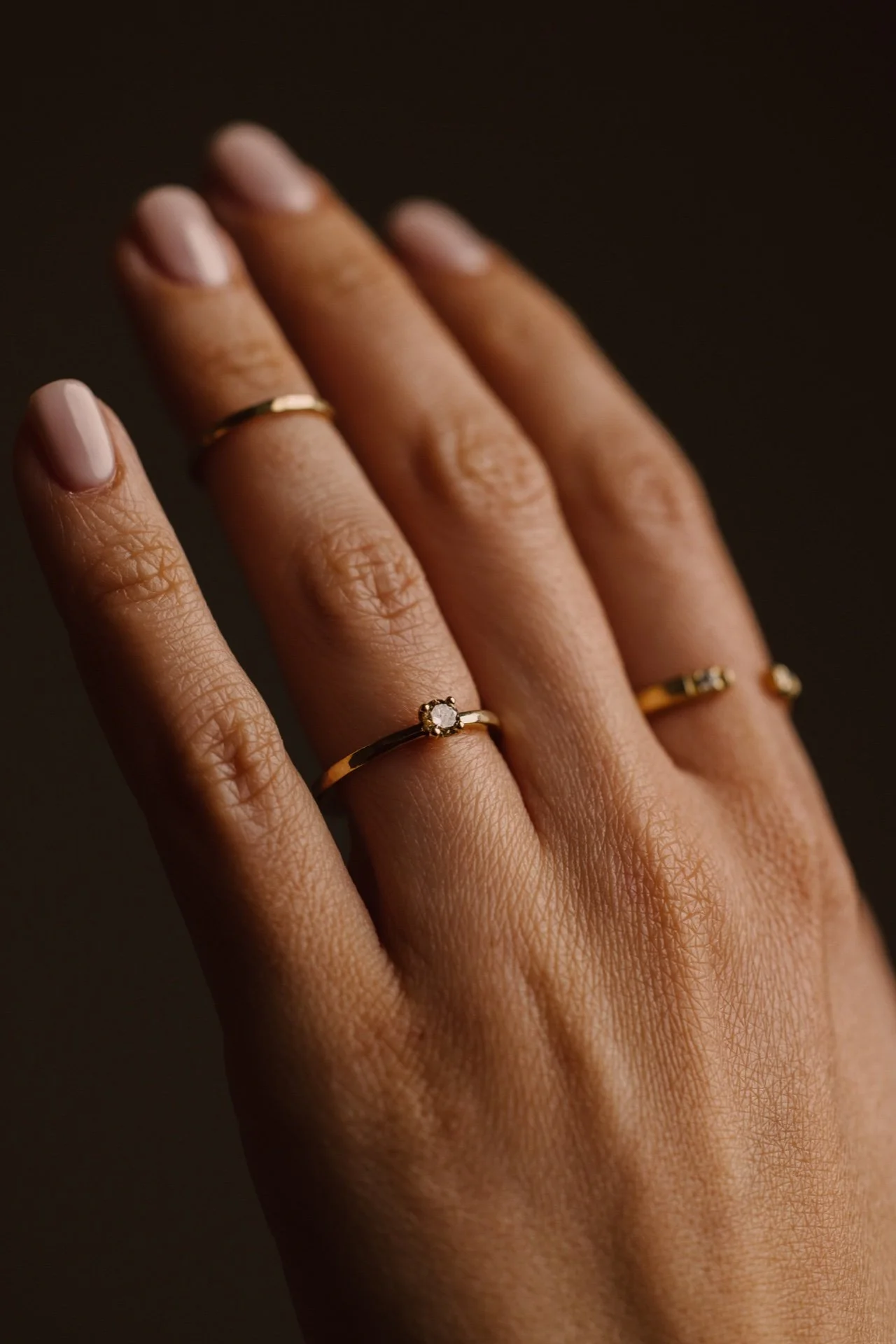
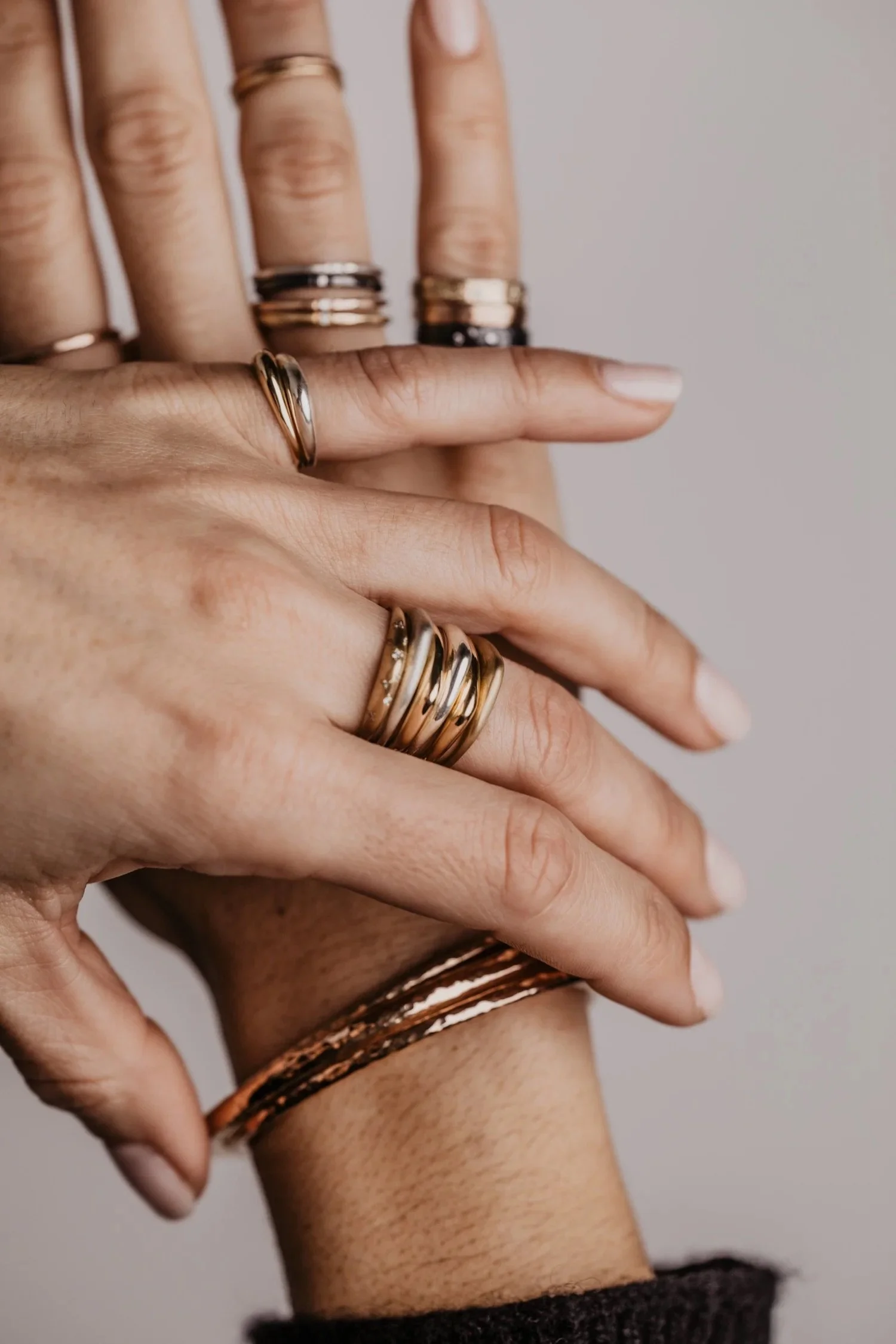
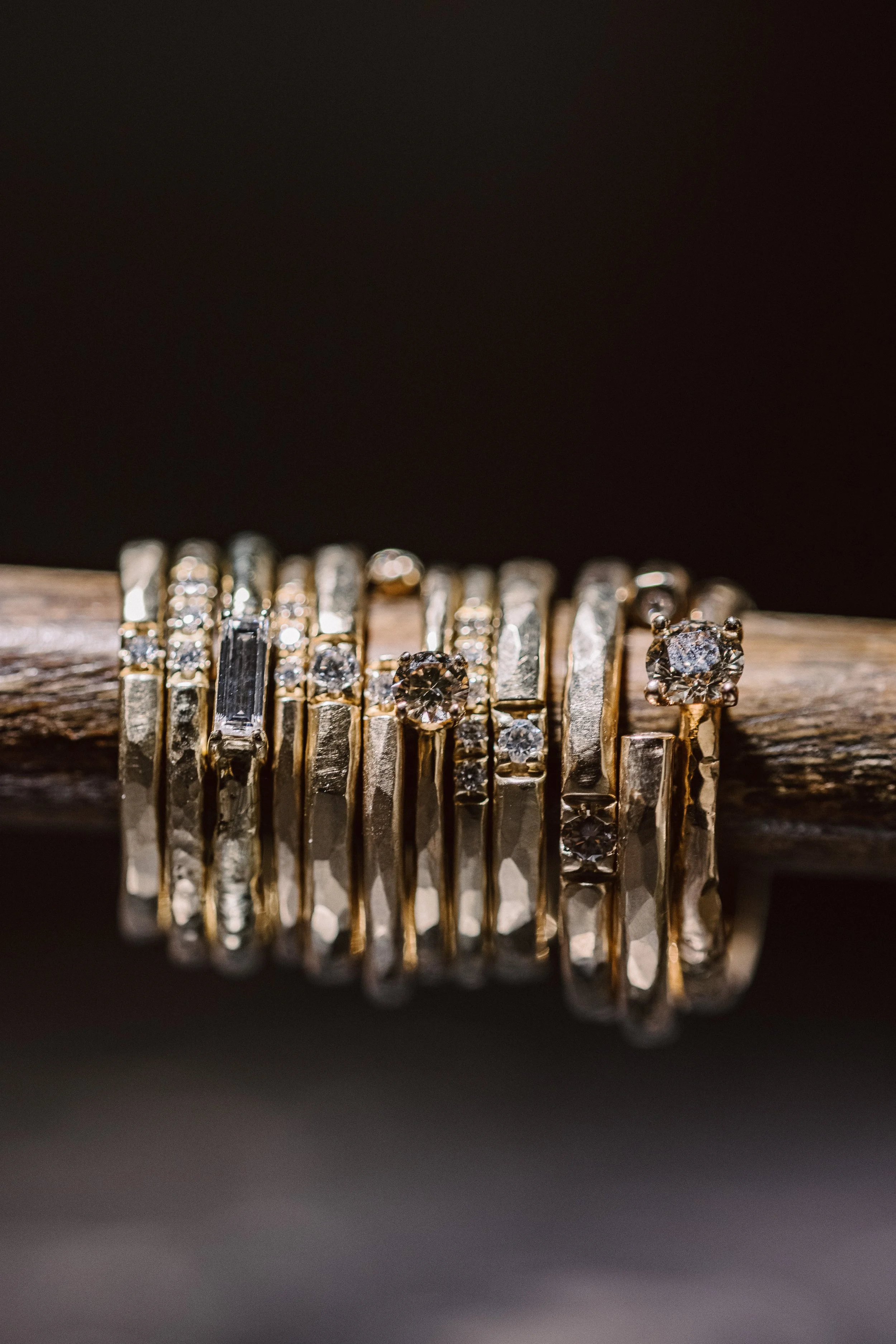
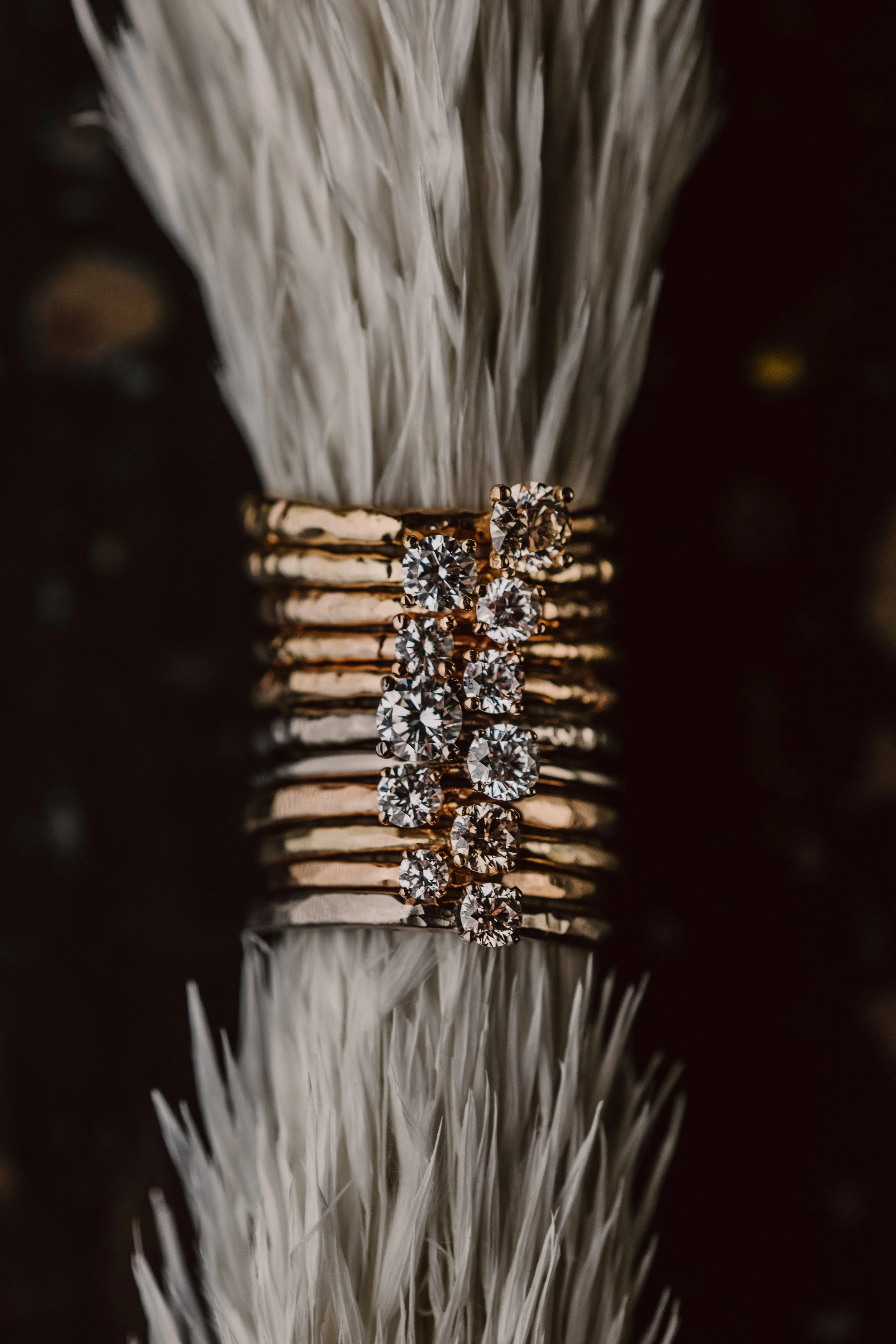
Fine rings can bring their own presence through proportion and detail.
Choose a stone for beauty and everyday life
An engagement ring often begins with its central stone—the detail that gives the whole design its character. With the wearer’s style and the ring’s proportions in mind, consider the stone’s colour, shape and individual character. You may be drawn to a diamond or a coloured gemstone in one of our designs.
Beauty is only part of the choice for a ring intended to be worn often for many years. A diamond’s exceptional resistance to scratching is one reason it remains such a popular choice. Sapphires are also an excellent option for frequent wear. Neither is indestructible, so we consider the individual stone, its cut and the way it will be set.
Other gemstones can make beautiful engagement rings too, though some may need a more protective setting or gentler wear. Hardness, resistance to knocks and the care a stone needs all play a part. We’ll explain those differences and help you find the right balance; our coloured-gemstone guide explores them further.
For diamonds, we offer natural and laboratory-grown options. Both are diamonds, with different origins. Our guide to natural and lab-grown diamonds explains the distinction, while our guide to choosing a diamond helps you look beyond a report to the stone itself.
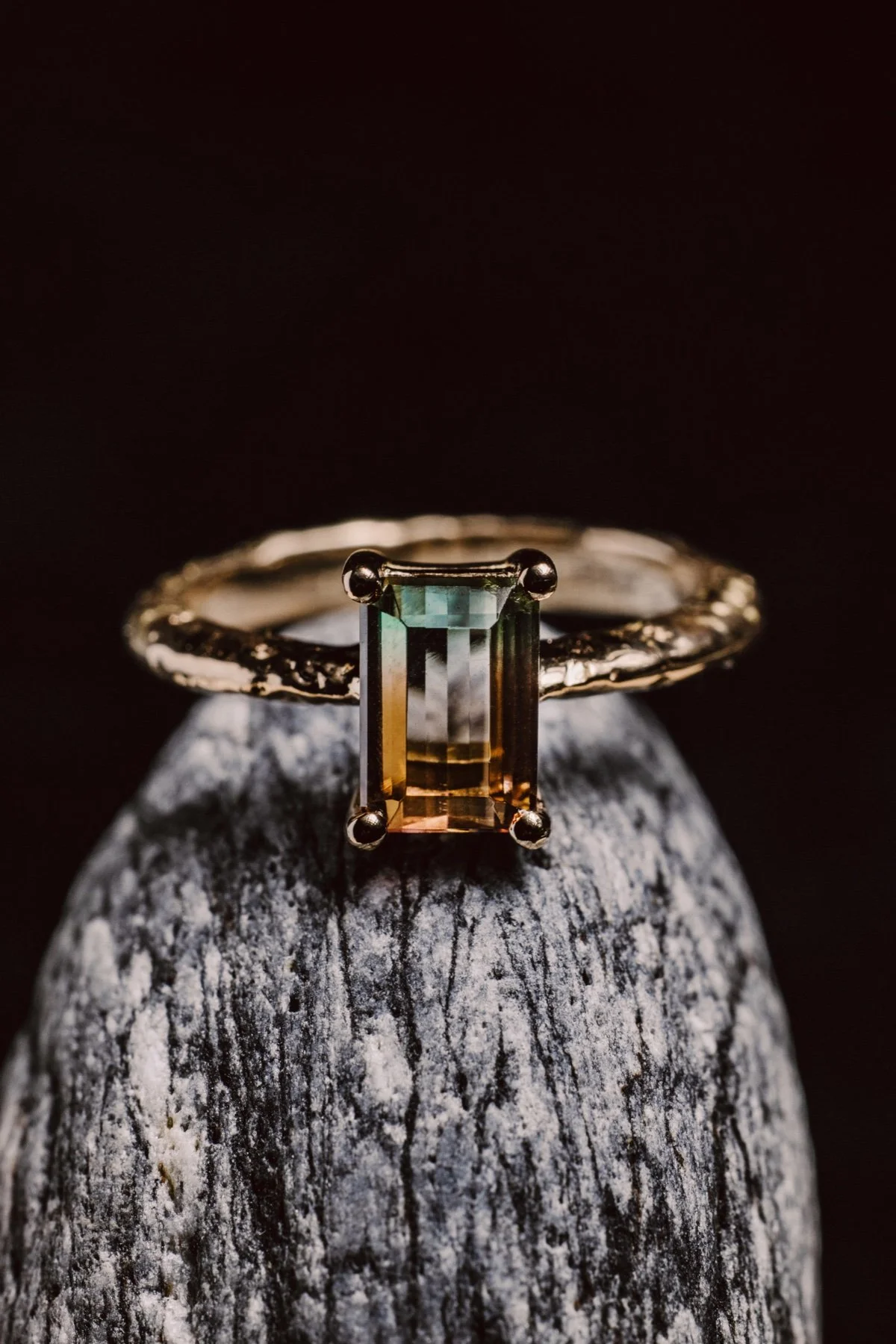
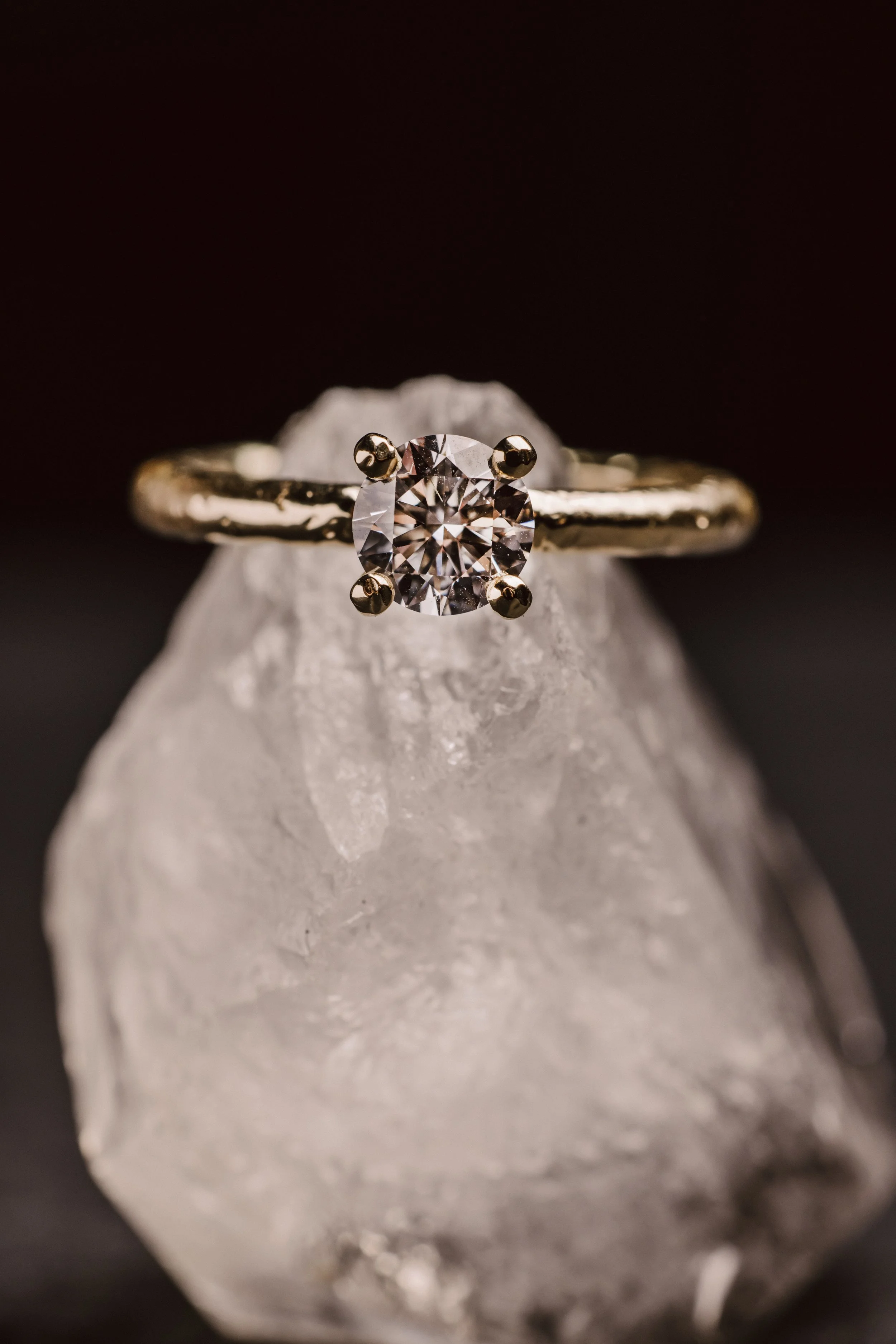
The individual stone’s shape and proportions guide the design around it.
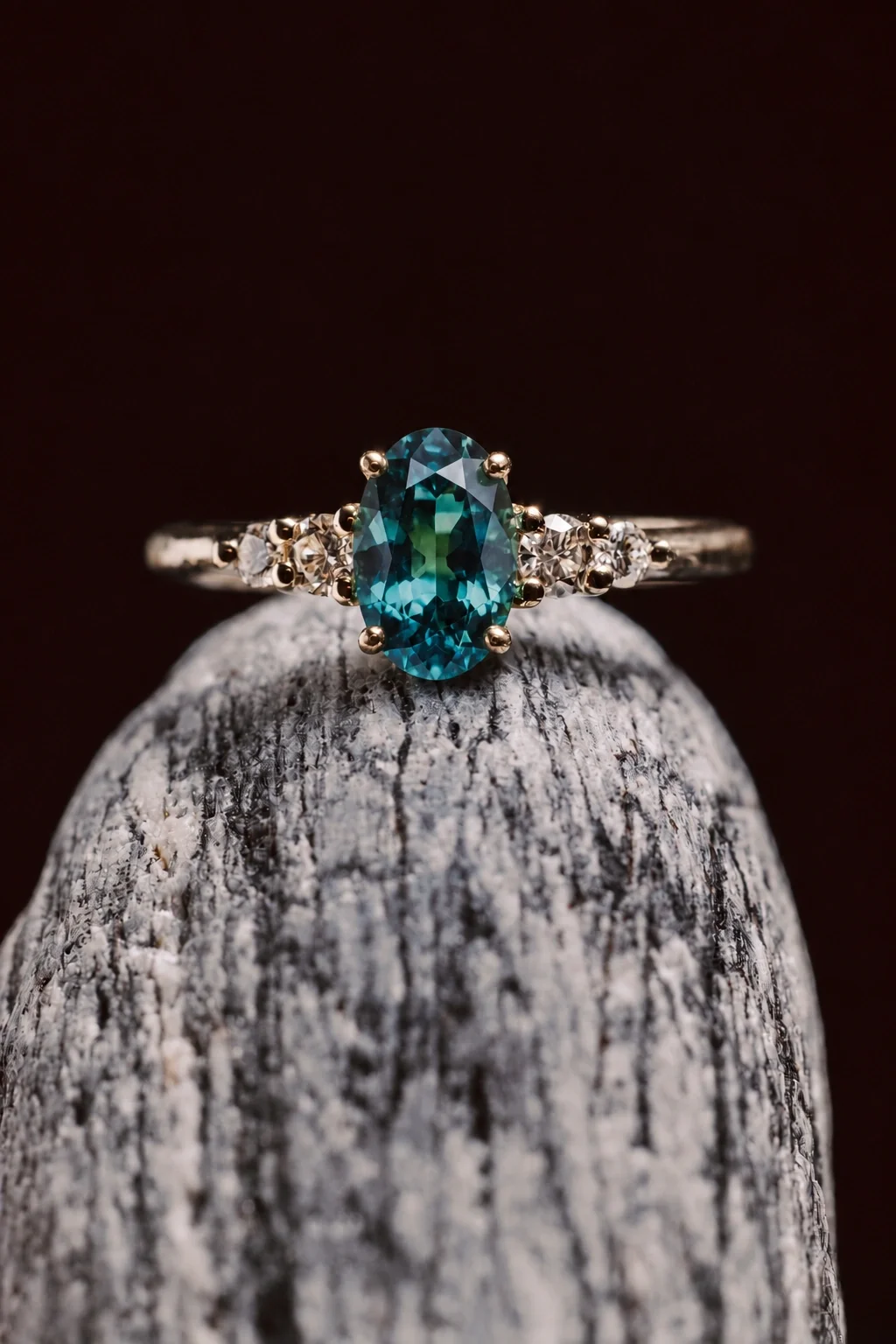
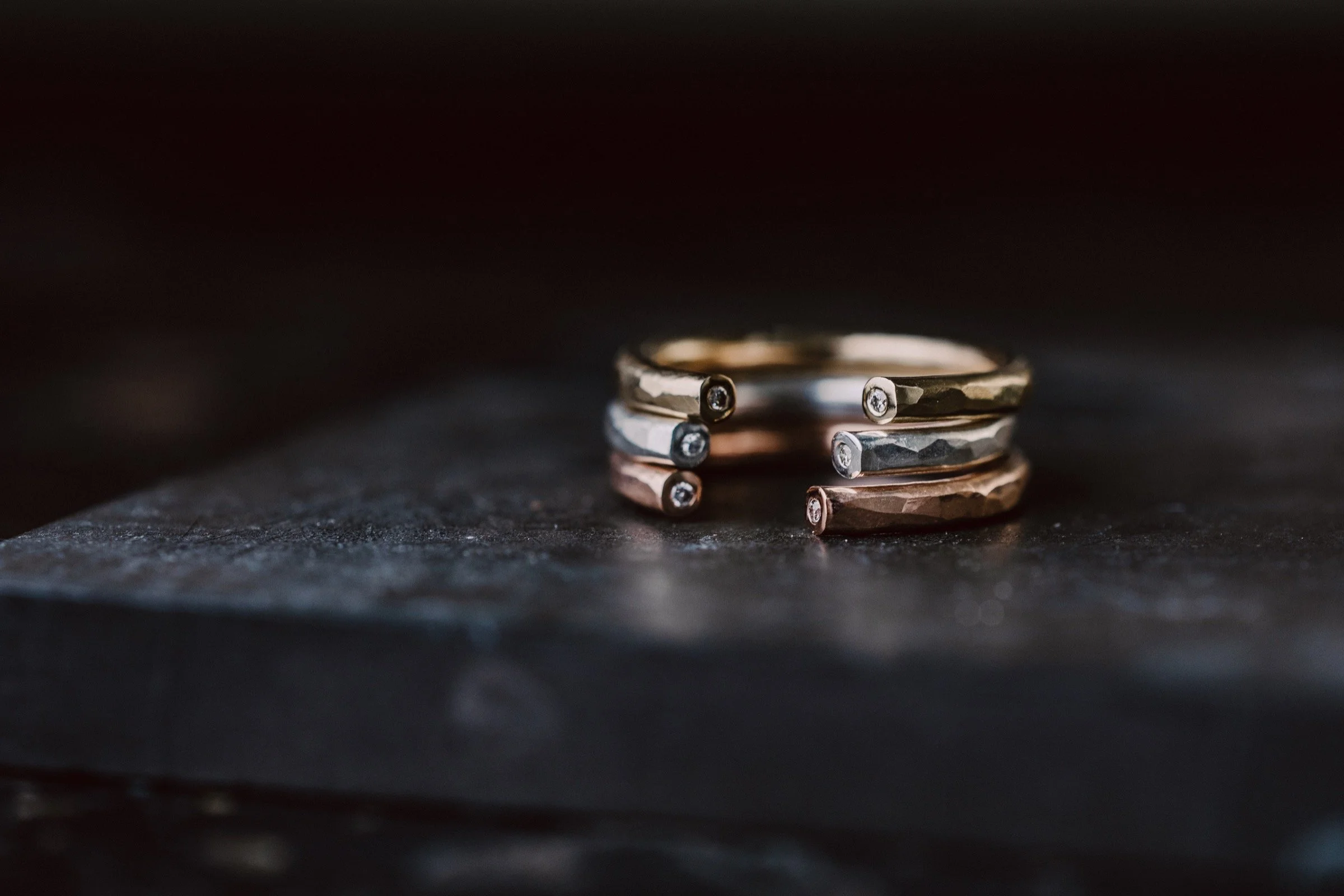
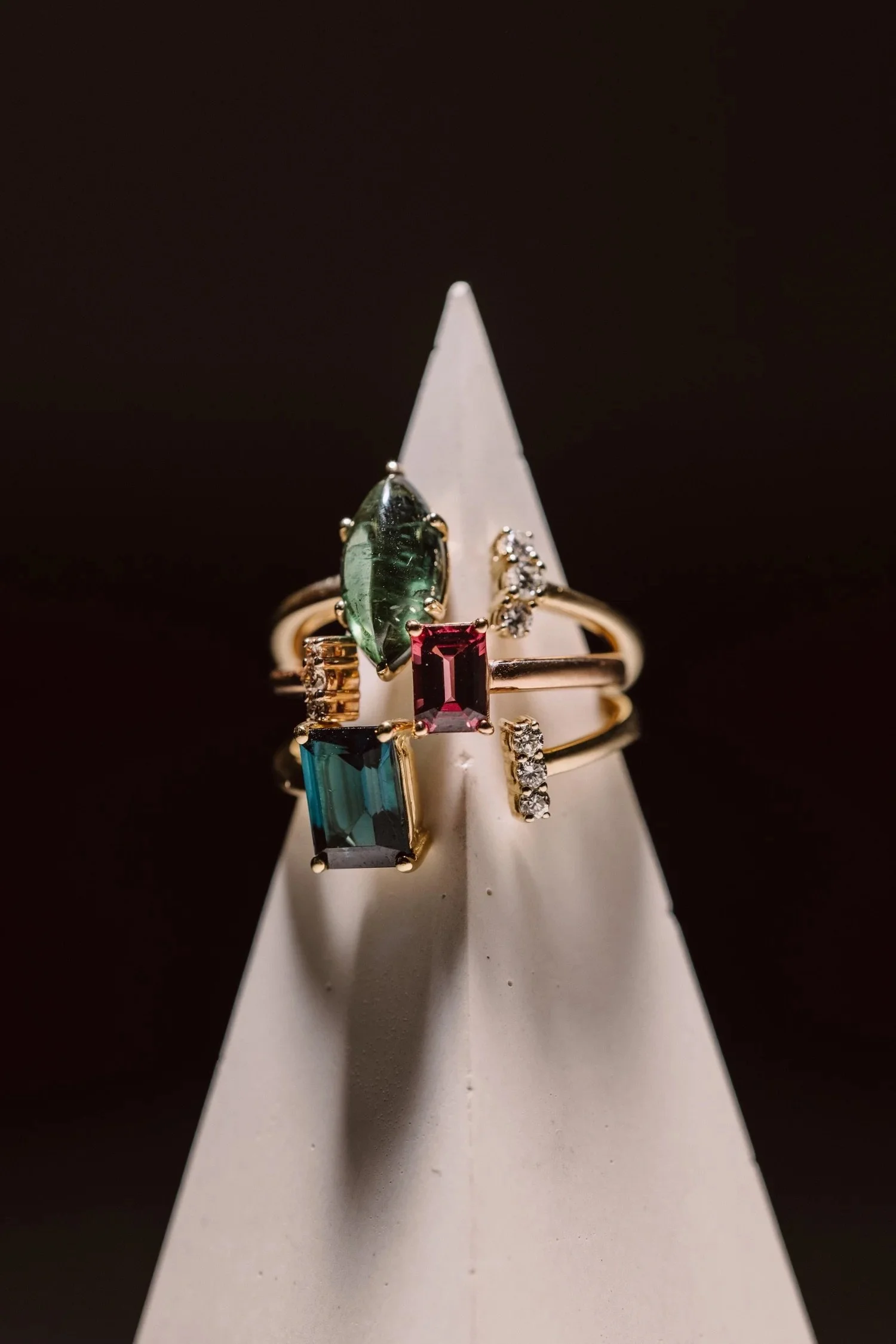
Colour can become the centre of a ring’s character.
Consider the setting and everyday wear
The setting holds the stone and helps determine how the ring feels on the hand. Prongs, also called claws, are small metal tips—often four or six—that hold the stone while leaving much of it visible. A bezel setting, in turn, fully surrounds the stone’s outline with a rim of metal, offering more protection around the edge.
Tell us about your partner’s work, hobbies and how they use their hands, including whether they often wear gloves. These details help us advise on a suitable setting and its height. A lower setting may feel more natural for someone who values comfort and leads an active lifestyle.
The stone itself matters, too. More vulnerable gemstones may benefit from a bezel or another protective setting rather than exposed prongs. When we create a custom ring, we consider the stone and the wearer’s daily life together, developing a setting that protects it while showing its beauty.
If your partner has expressed a wish to wear their wedding band beside their engagement ring, we can take that into account from the beginning. Our ring-pairing guide shows the possibilities.
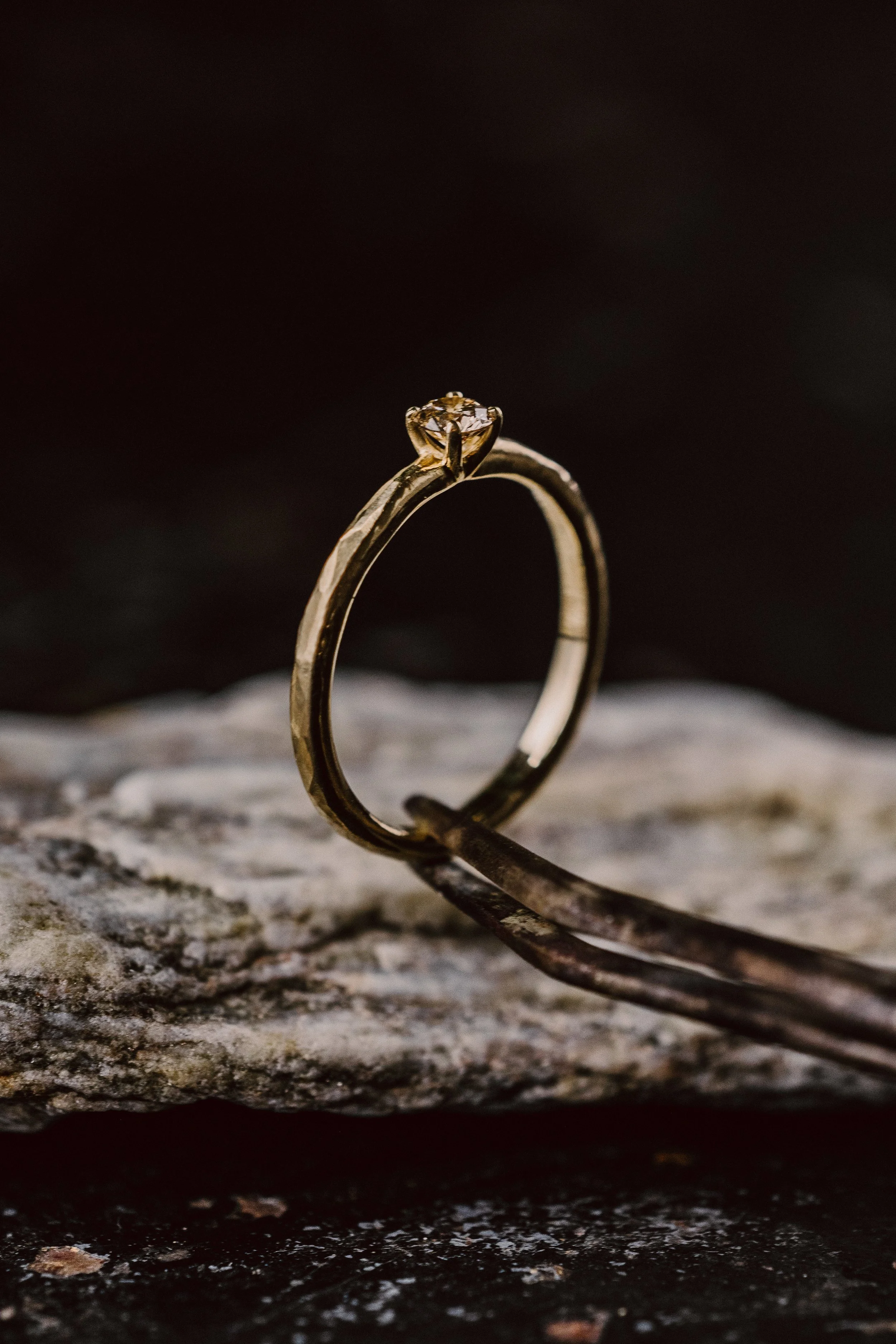
Prongs hold the stone with small metal tips.
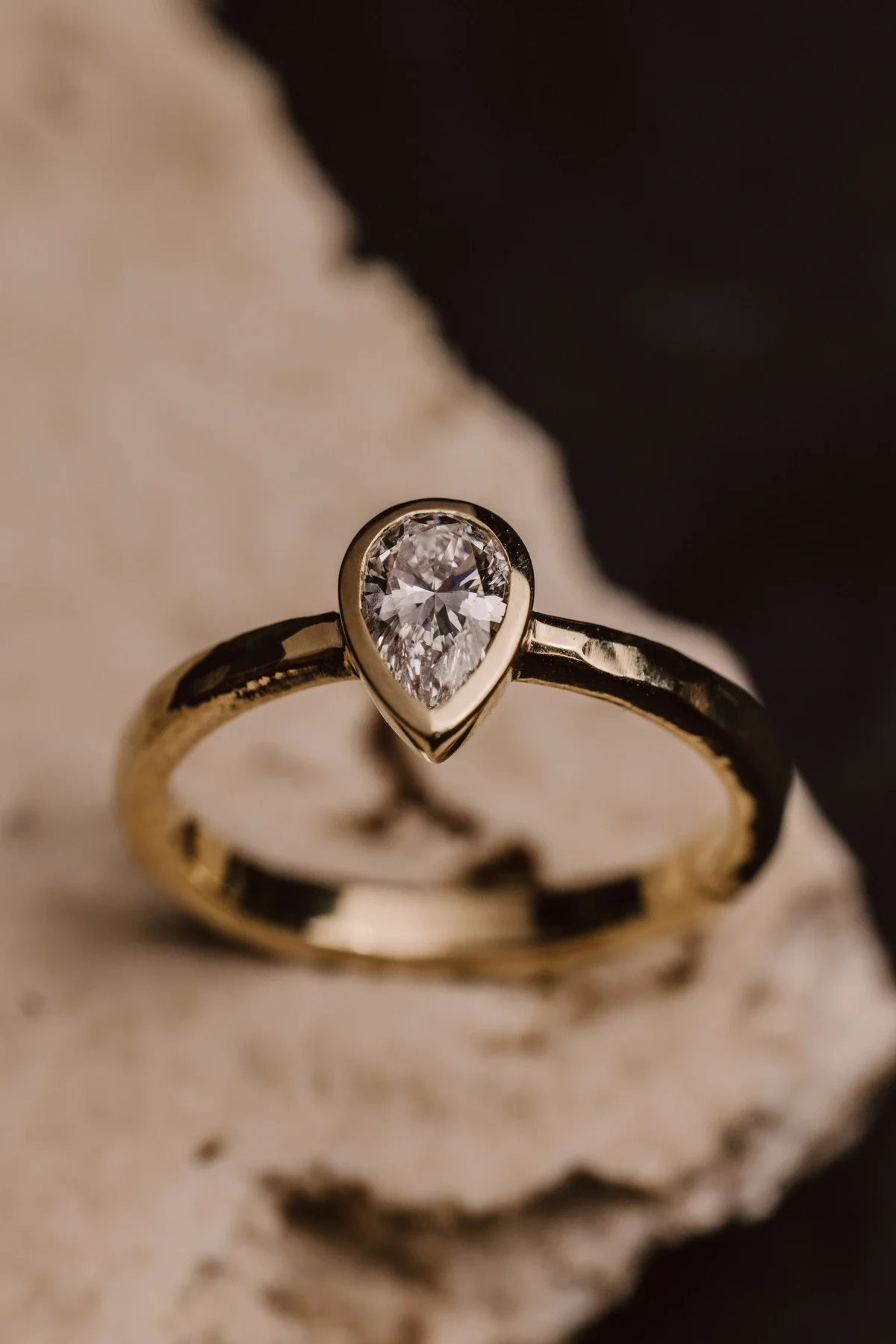
A bezel follows the stone’s outline with a rim of gold.
Bring colour and personal details into the design
The main choices for the ring’s metal are yellow gold, rose gold or a silvery-white tone, such as white gold or platinum. If your partner already wears jewellery, it offers a good clue. We recommend staying with the colour they wear most. If you’re still unsure which colour they’d prefer, we’d suggest starting with yellow gold.
A personal detail can be quiet: a few words engraved inside the band, perhaps in handwriting you recognise, or a small stone with a particular meaning. A ring can also carry a memory through its overall shape. There’s room for these details when they matter to you, and no need to add them when the design already says enough.
Our guides to gold and alloys and hand engraving explain the possibilities in more detail.
Choose a budget that feels comfortable
The price of a ring does not measure the love behind it. Tell us the range you feel comfortable with, and we can suggest relevant options rather than leaving you to guess what is possible.
The stone, metal, dimensions and work involved all contribute to the price. We’ll help you understand the differences and concentrate on the details you’ll appreciate most. For a custom ring, we begin with an initial, no-obligation cost estimate and confirm the final design and price before making starts.
Begin with a design you love—or an idea of your own
Our Engagement gallery brings together collection designs alongside custom and one-off designs. Take a closer look at the pieces that draw you in: each detail page explains the design and whether you can order it online or enquire about a version for you.
Some designs can be made again or adapted with a different stone, gold colour or personal detail. Others are deeply personal and remain one-off pieces. If a ring catches your eye, ask us what’s possible—we can explore a direction that feels like yours.
A custom engagement ring can start with words, an inspiring image, a sketch or a treasured piece. Together, we work through the stone, proportions and details. Depending on the design and how we’ll make it, a wax model or a 3D rendering helps you see the ring before you approve it.
If you already have a ring you treasure, our Ring Casing offers a sculptural new way to wear it while keeping the original intact.
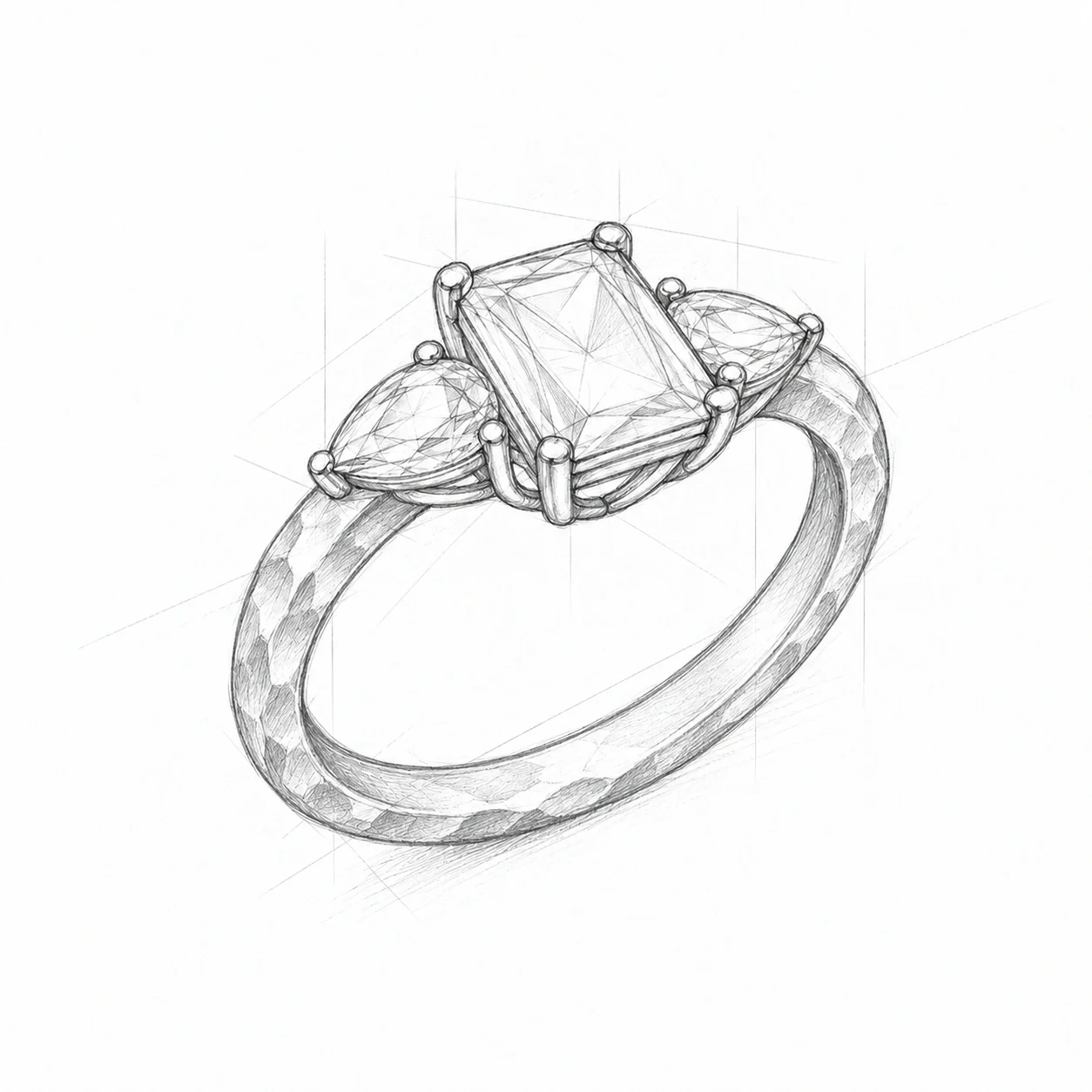
A design study brings the stones, proportions and ring size together.
Make room for fitting and making
Tell us when you hope to have the ring. For custom work, making takes around 4–8 weeks after design approval and a one-third deposit. The conversations and design work come before that, so allow time for them too. We confirm the timing for your ring before you commit.
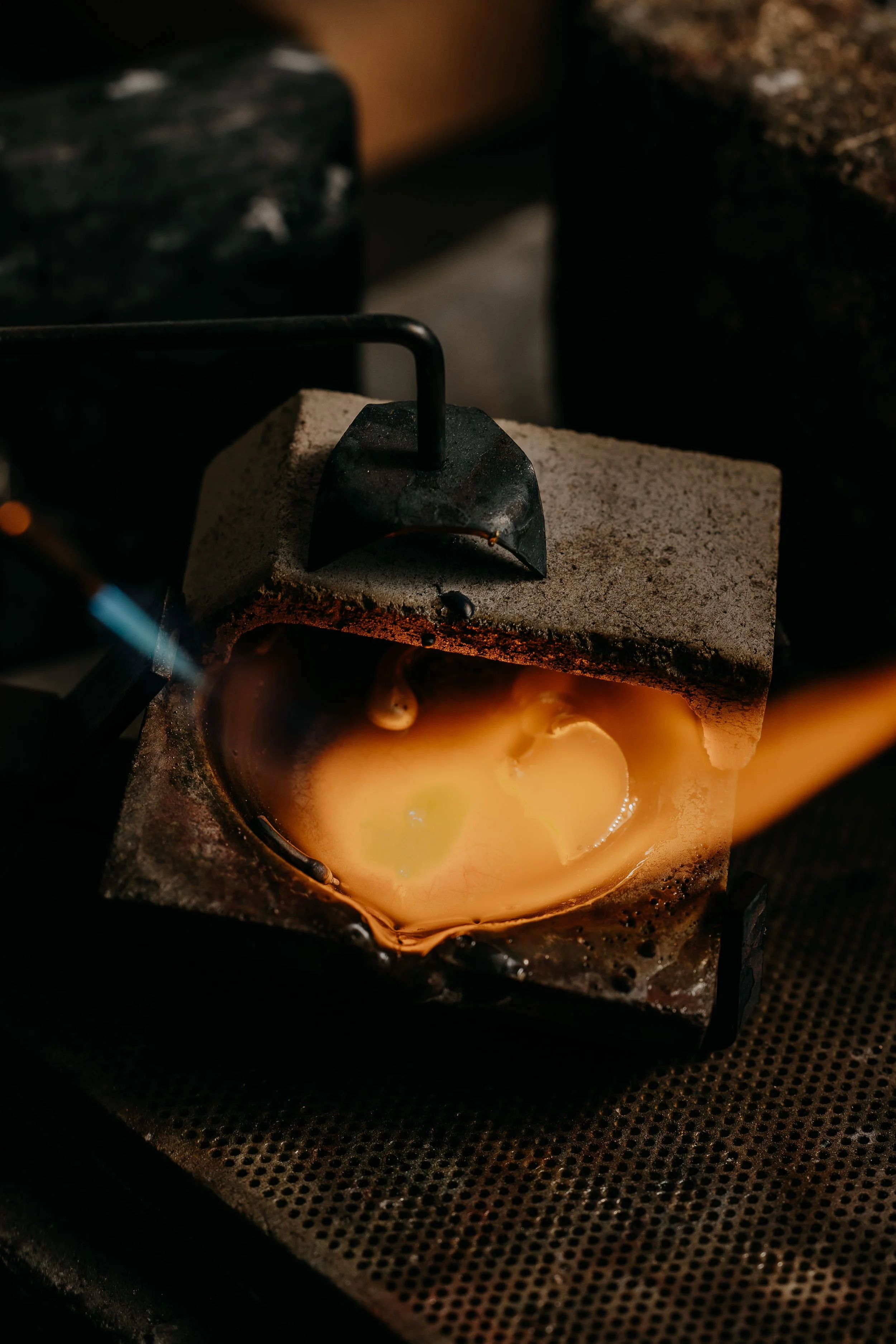
When it’s ready, we check the fit and explain its care. Every engagement ring includes one resize of up to two ring sizes either way during the first year after purchase. Our custom service also includes lifetime cleaning, refreshing and regular setting checks. We’re here to help you look after the ring as it becomes part of everyday life.

Let’s talk about your ring
A design you love, a treasured stone or a question about where to begin. We’d love to explore the possibilities with you, in our Vienna atelier or on a call.